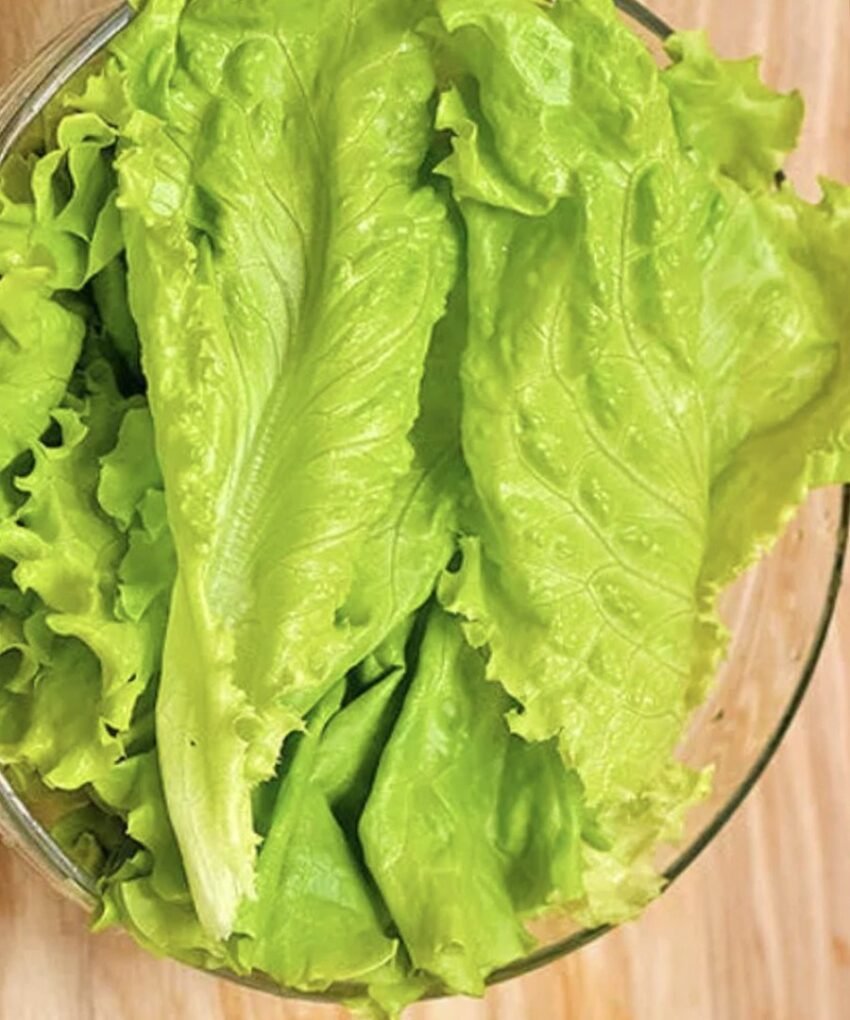
Butterhead lettuce (sometimes called Boston or Bibb lettuce) is generally considered milder and softer than romaine, with loose, tender leaves and a slightly buttery texture.
Is it “dangerous” like romaine sometimes gets mentioned?
No—there’s nothing inherently risky about butterhead lettuce. However, like all leafy greens, it can occasionally be involved in food safety alerts due to contamination risks such as:
- Escherichia coli infection (E. coli)
- Salmonella (less common, but possible)
- Contamination from irrigation water, soil, or handling
The key point is:
👉 The risk is not specific to butterhead lettuce—it applies to all raw leafy greens, including romaine, iceberg, spinach, etc.
Why leafy greens sometimes get flagged
Leafy greens are eaten raw, so if contamination happens anywhere in the supply chain, there’s no cooking step to eliminate bacteria. That’s why agencies like the U.S. Food and Drug Administration (FDA) sometimes issue temporary recalls or advisories for specific batches or regions.
Bottom line
Butterhead lettuce is:
- ✔ Nutritious and commonly safe
- ✔ Not uniquely associated with major outbreaks
- ⚠ Only risky in rare cases of contamination, like any raw produce
If you saw a headline about it, it’s likely referring to a specific outbreak or recall, not a general warning against eating it.
