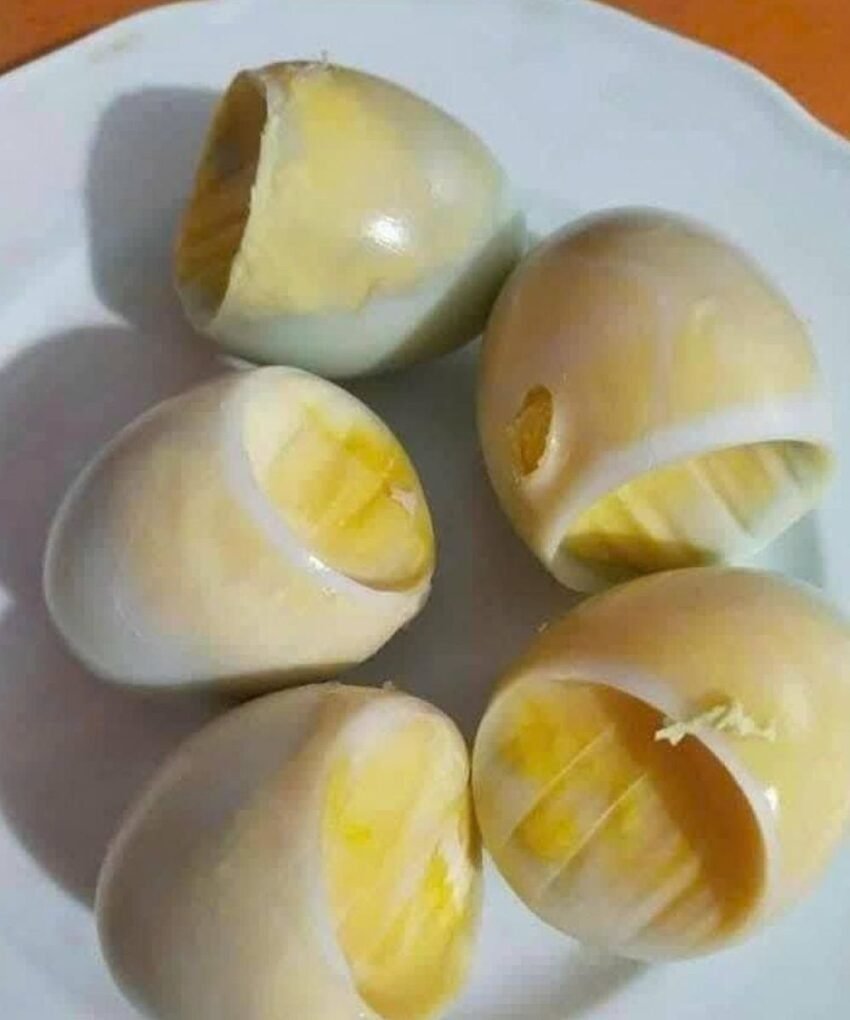
A boiled egg is an egg (usually from a chicken) cooked in its shell in hot water until the inside solidifies. It’s one of the simplest, most nutritious foods you can eat.
🥚 Types of boiled eggs
🔹 Soft-boiled egg
- Cooked ~4–6 minutes
- White is set, yolk is runny
- Often eaten with toast or noodles
🔹 Medium-boiled egg
- Cooked ~7–9 minutes
- Yolk is partially set, slightly creamy
🔹 Hard-boiled egg
- Cooked ~10–12 minutes
- Fully firm white and yolk
- Common for snacks, salads, and meal prep
🍽️ How to boil eggs (easy method)
- Place eggs in a pot
- Cover with cold water (about 1 inch above eggs)
- Bring to a boil
- Turn off heat and cover
- Let sit:
- 6 min → soft
- 8–9 min → medium
- 11–12 min → hard
- Transfer to cold water to stop cooking
🧠 Nutrition benefits
Boiled eggs are highly nutritious:
- High-quality protein
- Rich in Choline (important for brain health)
- Contains vitamin D, B12, selenium
- Good fats that support cell health
💪 Health effects
- Helps build and repair muscles
- Keeps you full longer (good for weight control)
- Supports brain function
- Low in calories (~70–80 per egg)
⚠️ Things to keep in mind
- Moderate intake is usually fine for most people
- People with certain cholesterol issues should follow medical advice
- Overcooking can cause a green ring around the yolk (harmless but less appealing)
🥗 Easy ways to eat boiled eggs
- With salt and black pepper
- In salads or sandwiches
- Mashed with mayonnaise or yogurt
- With rice or breakfast platters
If you want, I can show:
- 🥚 The perfect peeling trick (no shell sticking)
- 🥗 Weight-loss egg meal plan
- 🍳 Or how to make restaurant-style egg salad
