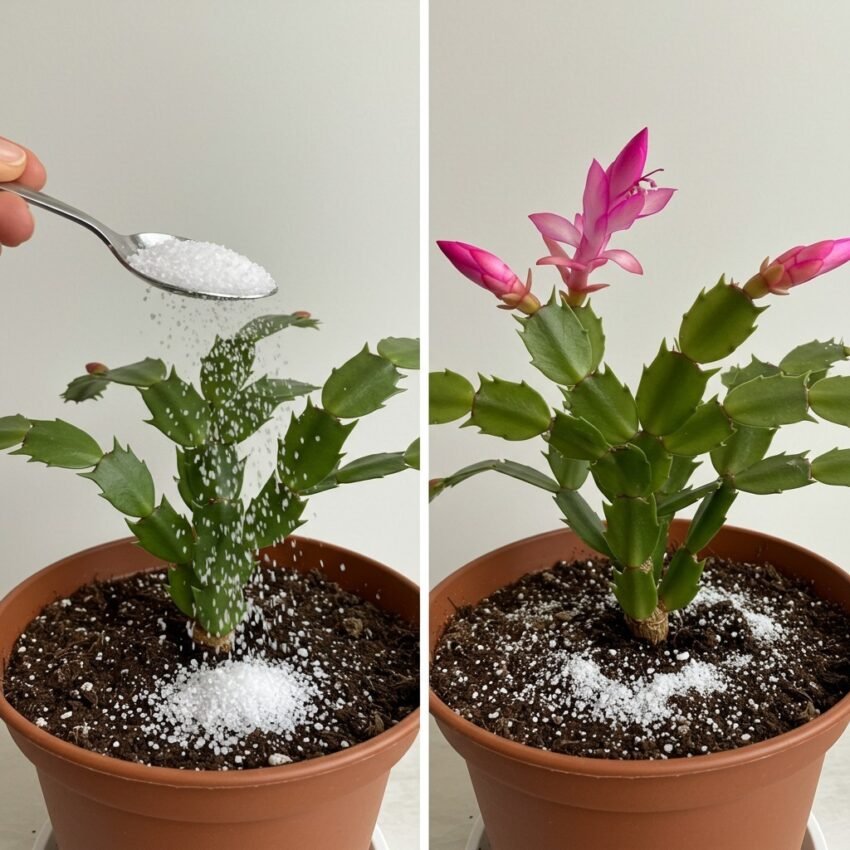
Schlumbergera truncata is a popular flowering cactus often grown indoors for its beautiful, colorful blooms—especially around late autumn.
🌵 What it is
Schlumbergera truncata is a tropical cactus, but unlike desert cacti, it naturally grows in rainforests of Brazil, where it lives on trees in shaded, humid conditions.
It’s commonly called:
- Thanksgiving cactus 🍂
- Crab cactus (because of its leaf shape)
🌸 Flowers
- Blooms in autumn (around November)
- Flowers can be pink, red, white, orange, or purple
- Blossoms are tubular and hang downward
- Very long-lasting blooms (several weeks)
🌿 How to care for it
☀️ Light
- Bright, indirect light
- Avoid strong direct sun (can burn leaves)
💧 Water
- Water when top soil feels dry
- Keep slightly moist but never soggy
- Reduce watering in winter after flowering
🌡️ Temperature
- Prefers cool to moderate temps (15–25°C)
- Needs cooler nights to trigger blooming
🪴 Soil
- Well-draining cactus or succulent mix
- Good drainage is essential
🌼 How to make it bloom
To encourage flowers:
- Give 12–14 hours of darkness daily for a few weeks
- Keep nights cool
- Avoid moving the plant during bud formation
⚠️ Common problems
- Bud drop: usually from sudden temperature change or overwatering
- Yellow leaves: too much sun or root issues
- No flowers: not enough darkness period or stress conditions
🌱 Why people love it
- Easy indoor plant
- Blooms during winter holidays
- Long lifespan (can live for decades)
