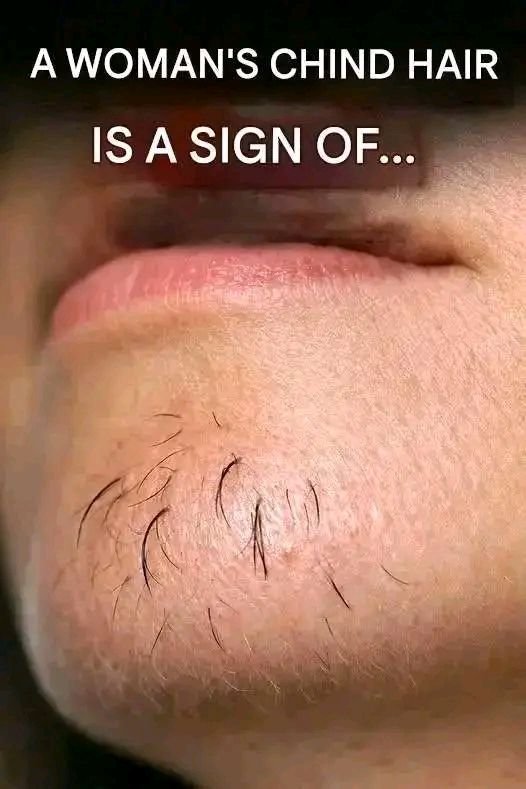
Facial hair in women (medically called hirsutism) refers to excess coarse or dark hair growth on areas like the chin, upper lip, chest, or abdomen. It is often linked to hormonal imbalance, especially higher levels of androgens (male-type hormones), but sometimes it can also occur without a serious underlying disease.
🧠 Common causes
⚖️ 1. Hormonal changes (most common)
- Higher androgen levels
- Natural variation in hormones
- Can occur during puberty, pregnancy, or menopause
🧬 2. Polycystic Ovary Syndrome (PCOS)
- One of the most common medical causes
- Can include:
- Irregular periods
- Acne
- Weight gain
- Excess facial/body hair
💊 3. Medications
Some drugs may increase hair growth:
- Steroids
- Hormone therapy
- Certain epilepsy medications
🧓 4. Age-related changes
- Hormone shifts during menopause
- Estrogen decreases, and androgens may have stronger effects
🧬 5. Genetics
- Family history can influence hair growth patterns
- Some women naturally have more facial hair without disease
🩺 6. Less common medical conditions
- Adrenal gland disorders
- Rare hormone-secreting tumors
⚠️ When to see a doctor
You should get checked if facial hair is:
- Sudden or rapidly increasing
- Accompanied by irregular periods
- Combined with severe acne or voice deepening
- Occurring with other unusual hormonal symptoms
💡 Treatment options
Depends on the cause:
- 🧴 Cosmetic: waxing, threading, laser hair removal
- 💊 Medical: hormone regulation (e.g., for PCOS)
- 🧠 Lifestyle: weight management may help hormone balance in some cases
🟡 Simple summary
Facial hair in women is usually caused by hormonal changes or conditions like PCOS, but can also be genetic or age-related, and is often manageable with cosmetic or medical treatment.
