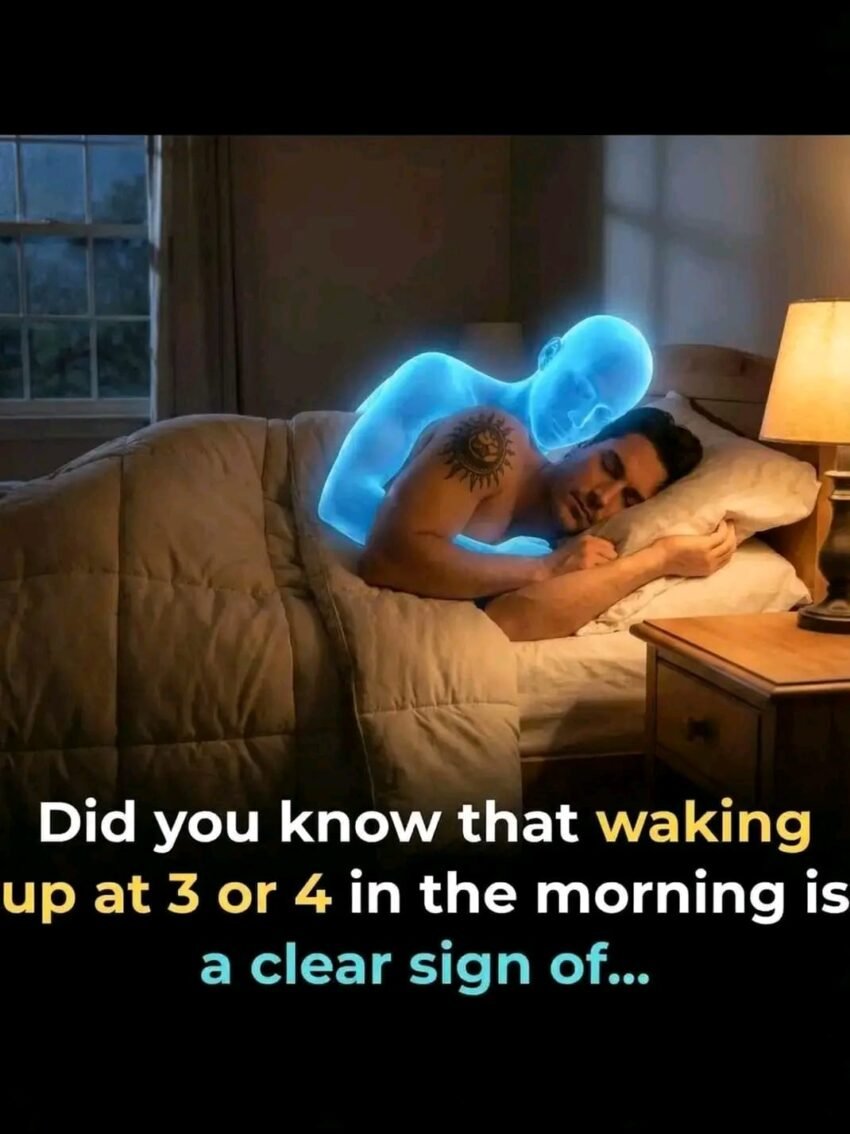
Yes—this statement is pointing to real sleep science mechanisms that can explain things like waking up in the early morning (e.g., 3–4 a.m.) or feeling suddenly alert during the night.
🧠 1. Natural cortisol surge (circadian rhythm)
- Cortisol is a hormone linked to alertness and stress response
- It follows a daily rhythm controlled by the brain’s internal clock
⏰ What happens at night:
- Cortisol is lowest during early sleep
- It begins to rise again in the early morning (around 3–6 a.m.)
- This prepares the body to wake up naturally
👉 If someone is stressed, this rise can become stronger or earlier, causing waking.
😴 2. Light sleep cycles
Sleep is not continuous deep sleep—it runs in 90–110 minute cycles:
💤 Sleep stages:
- Light sleep (easy to wake)
- Deep sleep (restorative)
- REM sleep (dreaming stage)
⏳ Why waking happens:
- Toward morning, sleep becomes lighter and more fragmented
- The brain spends more time in light or REM sleep
- This makes waking up easier—even from small disturbances
🌙 3. Why both factors matter together
Early morning waking often happens when:
- Cortisol is naturally rising
- Sleep is already in a light stage
- External triggers (noise, stress, temperature) are present
👉 This combination makes waking at 3–4 a.m. more likely.
🧠 Simple summary
Natural early-morning waking can be explained by:
- ⏰ A normal cortisol rise in the body clock
- 😴 Lighter sleep cycles closer to morning
These are normal biological processes, but stress or poor sleep habits can make them more noticeable.
