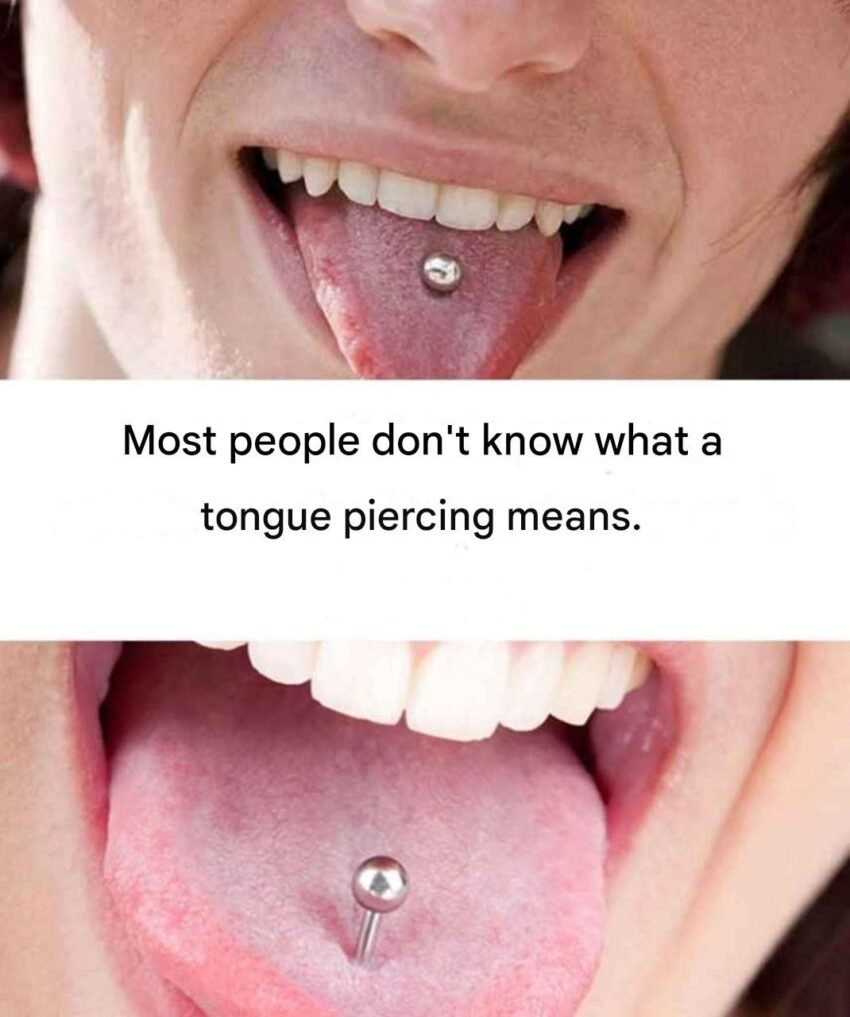
Yes—there is historical evidence that in some Mesoamerican civilizations, tongue piercing was part of ritual bloodletting practices, though it was not “body piercing” in the modern fashion sense.
🏺 Cultural context
In societies such as the Maya civilization, elite rulers, priests, and nobles practiced ritual bloodletting as a sacred act.
It was part of broader religious systems that also included offerings, fasting, and ceremonial ceremonies tied to kingship and the gods.
🩸 Purpose of tongue bloodletting
- Considered a way to communicate with gods or ancestors
- Believed to produce visions or altered states of consciousness
- A form of sacrifice to maintain cosmic balance
- Done during important ceremonies, such as royal events or calendar rituals
🧵 How it was done (historically)
Instead of modern piercing jewelry, practices involved:
- Sharp obsidian blades or stingray spines
- Piercing the tongue or other body parts (like ears or genitals in some rituals)
- Allowing blood to flow onto paper or cloth, which was sometimes burned as an offering
🧠 Symbolic meaning
Blood was seen as:
- A powerful life force
- A sacred offering to deities
- A medium for spiritual communication
⚠️ Important clarification
- This practice was ritualistic, not cosmetic
- It was restricted to religious and elite contexts
- It is very different from modern tongue piercing, which is primarily aesthetic or cultural fashion
🟡 Simple summary
In some ancient Mesoamerican cultures, including the Maya, tongue piercing-like practices were part of ritual bloodletting ceremonies meant to communicate with gods and maintain spiritual balance.
