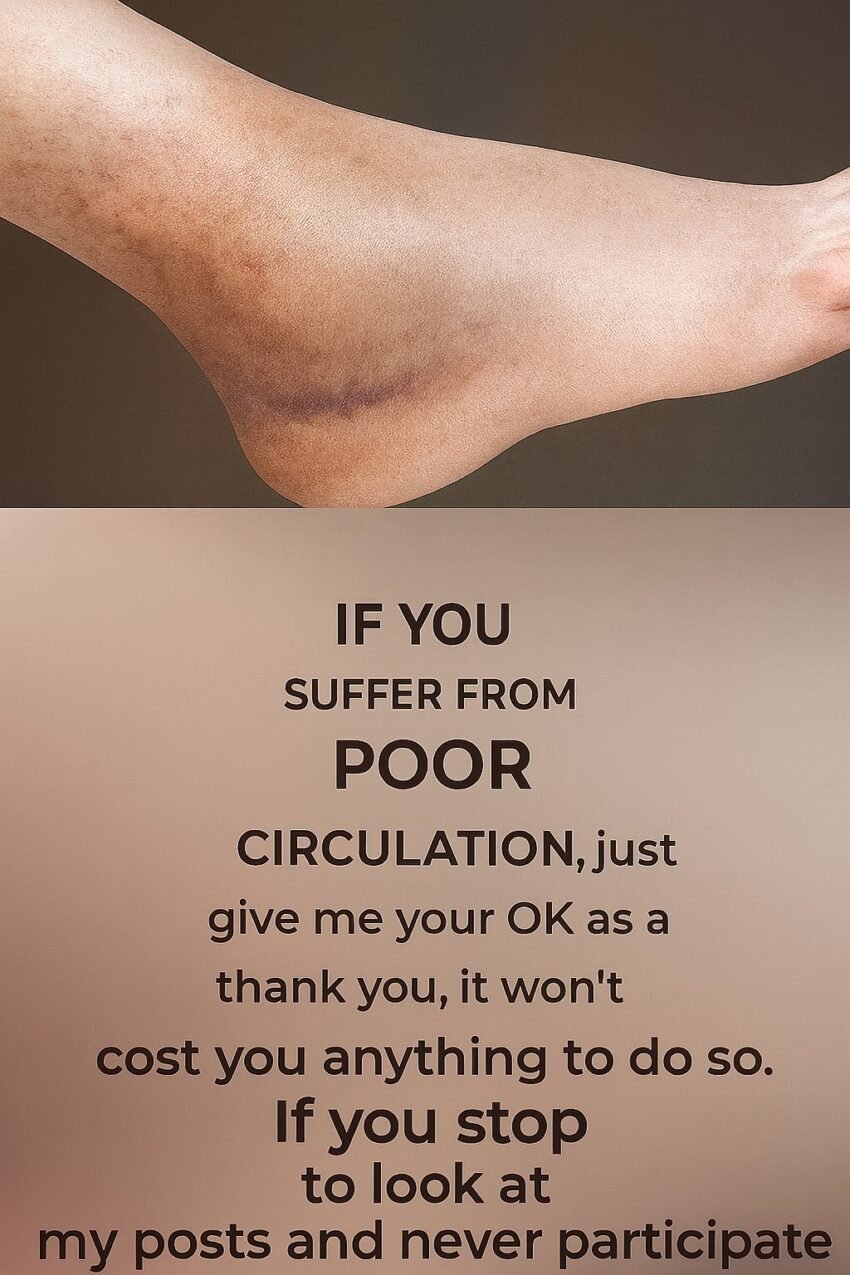
Yes—what you’re describing is a common online manipulation pattern used in some ads, posts, and scams.
🎯 How the tactic works
📈 1. Engagement bait
Posts are designed to trigger quick reactions like:
- “Click YES if you agree”
- “Comment ‘YES’ to get results”
- “Share this secret health trick”
👉 Goal: increase likes, comments, and visibility in algorithms
🧠 2. Psychological pressure
These posts often use:
- Urgency (“limited time”)
- Curiosity (“you won’t believe this”)
- Fear or hope (“this could fix your health issue”)
👉 Goal: make people act without thinking carefully
📩 3. Lead-in to data collection
After engagement, they may:
- Ask for email, phone number, or personal details
- Redirect to surveys or “free trial” pages
- Push fake “health solutions” or products
👉 This can become a phishing or data harvesting attempt
🚨 Why it’s risky
- Personal data may be sold or misused
- Can lead to spam, scams, or identity theft
- Health-related claims may be false or misleading
🧠 Red flags to watch for
- “Click/comment to unlock cure or secret”
- No credible medical or official source
- Requests for personal info after a simple action
- Overly emotional or urgent language
- Claims of instant or guaranteed results
🛡️ How to stay safe
- Don’t share personal details on unknown posts
- Verify health claims with trusted medical sources
- Avoid clicking unknown links in comments or DMs
- Report suspicious content when possible
🟡 Simple summary
This is an engagement-bait tactic that can sometimes lead into phishing or data collection schemes, especially when disguised as health advice or “free solutions.”
