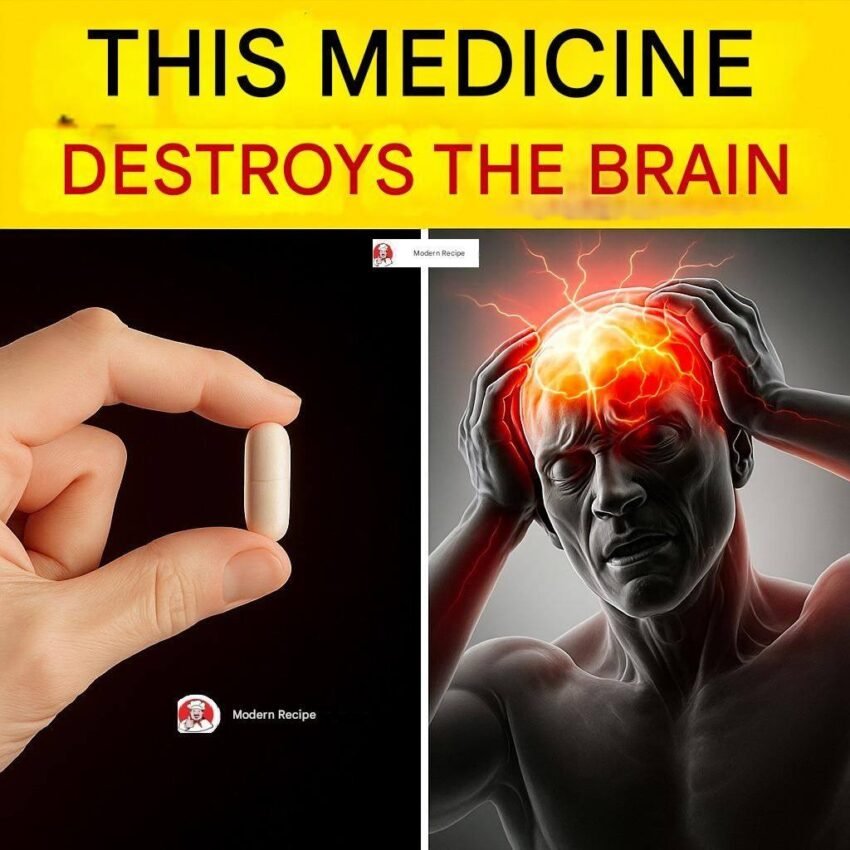
Headlines like “THIS MEDICINE DESTROYS THE BRAIN” are almost always fear-based clickbait, not accurate medical information.
In real healthcare, medications are studied carefully under pharmacology, and drugs that genuinely damage the brain in a direct, predictable way are very rare and usually tightly controlled or no longer used.
⚠️ Why this claim is misleading
- It suggests all people taking a medicine will suffer brain damage (not true)
- It does not name a specific drug, dose, or condition
- It ignores the balance of benefits vs risks
- It is often used to sell alternatives or supplements
🧠 What can actually affect the brain (in real medicine)
Some substances or situations may impact memory or thinking, but not in the dramatic “destroy the brain” way:
💊 Certain medications (usually reversible effects)
- Some sedatives (e.g., benzodiazepines) → drowsiness, memory slowing
- Some antihistamines or bladder drugs → confusion in older adults
- Some pain medications → temporary brain fog
These effects are often dose-related and reversible, not permanent destruction.
🧬 Serious medical causes of brain damage
- Stroke
- Severe infections (like meningitis)
- Long-term uncontrolled diabetes mellitus (can affect brain health indirectly)
- Alcohol or substance abuse
These are medical conditions—not typical prescription use.
🚨 Red flags in such claims
Be cautious when you see:
- No specific medication named
- Words like “destroy,” “poison,” “secret danger”
- No scientific references
- Claims that scare rather than explain
✔️ Real way to judge medication safety
Doctors rely on:
- Clinical trials
- Dose control
- Patient monitoring
- Risk–benefit analysis
Most approved medicines are designed to help the body without harming the brain when used correctly.
🧠 Simple takeaway
No single medicine “destroys the brain” in the way viral headlines suggest. Some drugs can cause temporary or reversible cognitive effects, but serious brain harm is rare and usually tied to misuse, overdose, or underlying disease—not normal medical treatment.
If you want, I can break down which medications are often falsely accused online and what the real evidence says about them.
