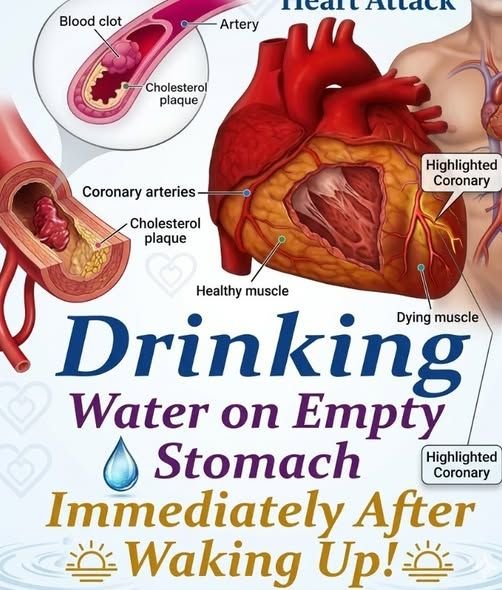
Here’s how these three ideas connect in the context of heart health and disease:
❤️ Coronary arteries
Coronary arteries
These are the blood vessels that supply oxygen-rich blood to the heart muscle.
- They wrap around the heart like a “network of pipes”
- If they stay open → heart muscle gets enough oxygen
- If they narrow or block → heart muscle suffers (angina or heart attack)
💪 Healthy heart muscle
Myocardium
The myocardium (heart muscle) needs:
- Constant oxygen supply from coronary arteries
- Strong, steady blood flow
When healthy:
- Contracts smoothly
- Pumps blood efficiently
- Has high endurance
When oxygen is reduced:
- Becomes weak or painful
- Can be permanently damaged in severe blockage
🩸 Blood clot
Thrombosis
A blood clot forms when blood becomes thick and sticks together inside a vessel.
In coronary arteries:
- A clot can suddenly block blood flow
- This is a common cause of a heart attack
🔗 How they are connected
1. Normal state
- Coronary arteries are open
- Myocardium gets oxygen
- No clot formation
2. Disease development
- Fatty buildup (plaque) narrows arteries
- Blood flow slows down
- Clot can form on plaque surface
3. Emergency situation
- Clot blocks artery completely
- Heart muscle is starved of oxygen
- This causes a heart attack (myocardial infarction)
⚠️ Key idea
- Healthy arteries → smooth blood flow → strong heart muscle
- Blocked arteries + clot → oxygen loss → damaged heart muscle
🧠 Simple summary
Coronary arteries feed the heart muscle, and a blood clot in those arteries can suddenly cut off oxygen, damaging the heart muscle.
If you want, I can also explain:
- early warning signs of coronary blockage
- how clots form step-by-step
- or how lifestyle affects artery health
