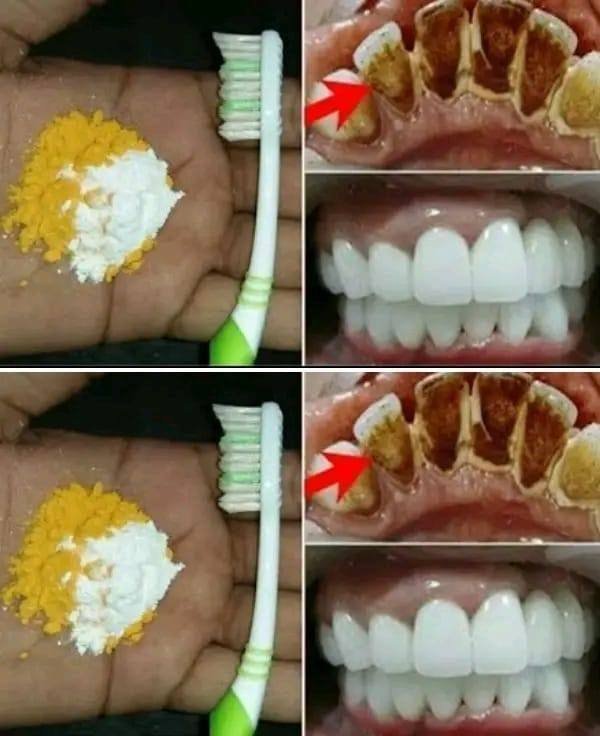
🦷 Home teeth whitening (safe and realistic options)
Home teeth whitening can help remove surface stains (coffee, tea, smoking), but it won’t change your natural tooth color as dramatically as professional treatments.
✨ Safe home whitening methods
🪥 1. Whitening toothpaste (safest daily option)
- Contains mild polishing agents
- Gradually removes surface stains
✔ Safe for regular use
🧂 2. Baking soda (occasional use only)
- Mix a small amount with water or toothpaste
- Brush gently for 30–60 seconds
✔ Helps with surface stains
⚠️ Overuse can damage enamel, so use sparingly
🍓 3. Hydrogen peroxide (low concentration)
- Often found in whitening rinses or gels
- Can reduce stains and bacteria
✔ Effective in controlled amounts
⚠️ Must be diluted; avoid frequent use without guidance
🧴 4. Oil pulling (coconut oil)
- Swish 1 tablespoon for 5–10 minutes
- Then spit and rinse
✔ May reduce plaque and improve cleanliness
⚠️ Results are mild and gradual
🍏 5. Diet habits (prevention)
- Reduce coffee, tea, cola, and smoking
- Rinse mouth after staining foods
- Eat crunchy fruits (like apples) to help cleaning
🚫 What to avoid
- Lemon juice on teeth (too acidic → enamel damage)
- Charcoal powders (can be abrasive)
- Overusing baking soda or DIY acids
- Unregulated whitening kits from unknown sources
🧠 Simple reality check
Home methods mainly remove stains, not permanently change tooth color.
🦷 Best result strategy
- Good brushing + flossing daily
- Occasional safe whitening methods
