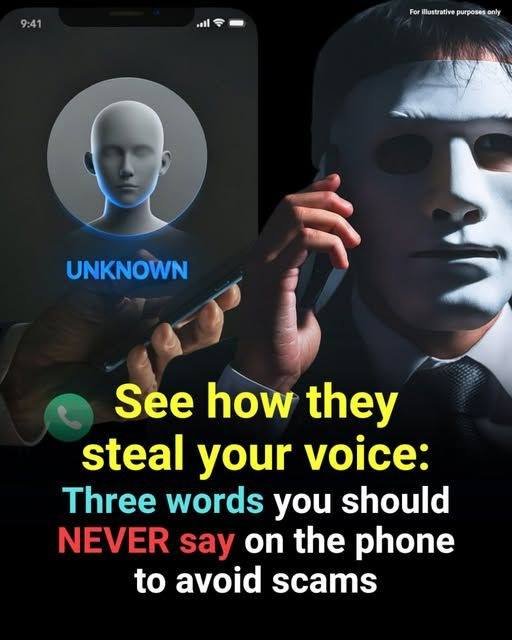
Voice recording scams are a real and growing security threat, mainly because they use your own voice (or a convincing imitation) to trick you, impersonate you, or manipulate others.
🎙️ Security threat: voice recording scams
🧠 What it is
Scammers use recorded or AI-generated voice samples to:
- Pretend to be you
- Impersonate family members or officials
- Trick people into sending money or information
This is often called voice phishing (“vishing”) or voice cloning fraud.
⚠️ How it works
1. Voice capture
Your voice may be collected from:
- Phone calls
- Social media videos
- Voice notes (WhatsApp, etc.)
- Public videos or reels
2. Voice cloning or replay
Scammers then:
- Replay your real voice snippets
- Or use AI tools to clone your voice
3. Social engineering attack
They use the voice to:
- Call family members pretending to be you
- Ask for urgent money transfer
- Claim emergencies (accidents, arrests, hospital bills)
🚨 Warning signs of voice scams
- Urgent requests for money
- Emotional pressure (“don’t tell anyone”)
- Unusual calling method (new number, odd timing)
- Voice sounds “almost right” but slightly unnatural
- Refusal to verify identity through other means
🛡️ How to protect yourself
🔒 1. Limit public voice exposure
- Avoid posting long voice recordings publicly
- Be cautious with short viral voice clips
📞 2. Use verification rules with family
- Create a safe word or code phrase
- Always confirm money requests through another method
🧠 3. Don’t trust voice alone
- Voice can now be faked
- Always verify using video call or direct contact
🚫 4. Be cautious with unknown calls
- Don’t share personal details
- Hang up and call back using official numbers
🧾 Real-world impact
These scams can cause:
- Financial loss
- Identity fraud
- Emotional manipulation of families
- Business impersonation attacks
🧠 Key takeaway
A voice is no longer proof of identity—verification must go beyond sound alone.
