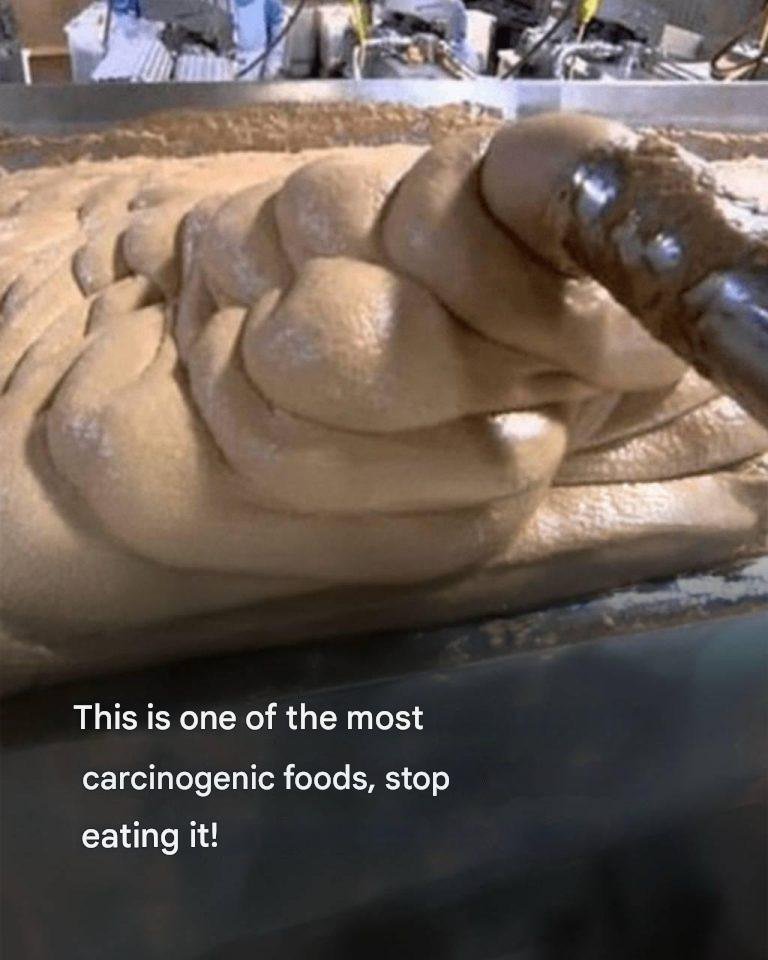
A carcinogen is anything that can increase the risk of cancer by damaging DNA or disrupting normal cell growth. Cancer development is usually slow and depends on many factors like genetics, lifestyle, smoking, alcohol, infections, and long-term diet patterns.
⚠️ Foods and substances linked to higher cancer risk
1. Processed meats
Examples: sausages, hot dogs, bacon, salami
These are classified by the WHO as Group 1 carcinogens (strong evidence in humans).
Why:
- Nitrates/nitrites used in preservation
- High-temperature processing
- Formation of nitrosamines
👉 Associated mainly with colorectal cancer risk when eaten frequently.
2. Charred or heavily grilled meats
Examples: barbecue, overcooked kebabs, burnt steak
Why:
- High heat produces:
- Heterocyclic amines (HCAs)
- Polycyclic aromatic hydrocarbons (PAHs)
These compounds can damage DNA in lab studies.
3. Ultra-processed foods (indirect link)
Examples: packaged snacks, instant noodles, sugary drinks
Why:
- High in additives, sugar, and unhealthy fats
- Associated with obesity, inflammation, and metabolic disease, which increase cancer risk indirectly
Not all are “carcinogenic,” but diet patterns matter.
4. Alcohol
Alcohol is a confirmed carcinogen linked to several cancers:
- Mouth
- Liver
- Breast
- Esophagus
Even moderate drinking can increase risk over time.
5. Mold-contaminated foods (aflatoxins)
Example: poorly stored peanuts, corn, grains
Why:
- Molds like Aspergillus produce aflatoxins
- Strongly linked to liver cancer
This is more relevant in warm/humid storage conditions.
6. Very salty or pickled foods (in excess)
Example: heavily salted fish, some pickles
Why:
- Can irritate stomach lining
- Associated with higher risk of stomach cancer in some populations
🔥 Important clarification
Most foods are not dangerous in normal amounts. Cancer risk is usually about:
- Frequency (daily vs occasional)
- Portion size
- Cooking method
- Overall diet quality
Even processed meats, for example, are not “poison”—but regular high intake is discouraged.
🥗 What reduces cancer risk in diet
- Fruits and vegetables (antioxidants, fiber)
- Whole grains
- Legumes (lentils, beans)
- Lean proteins (fish, chicken, plant-based proteins)
- Cooking methods like boiling, steaming, baking instead of charring
🧠 Bottom line
There are no single “cancer foods” that instantly cause cancer. Risk comes from long-term dietary patterns and exposure to certain compounds, especially from processed meats, alcohol, and heavily charred foods.
If you want, I can break this down into a “safe vs risky food list” for everyday eating in Pakistan-style diets, or explain which local foods are most commonly misunderstood.
