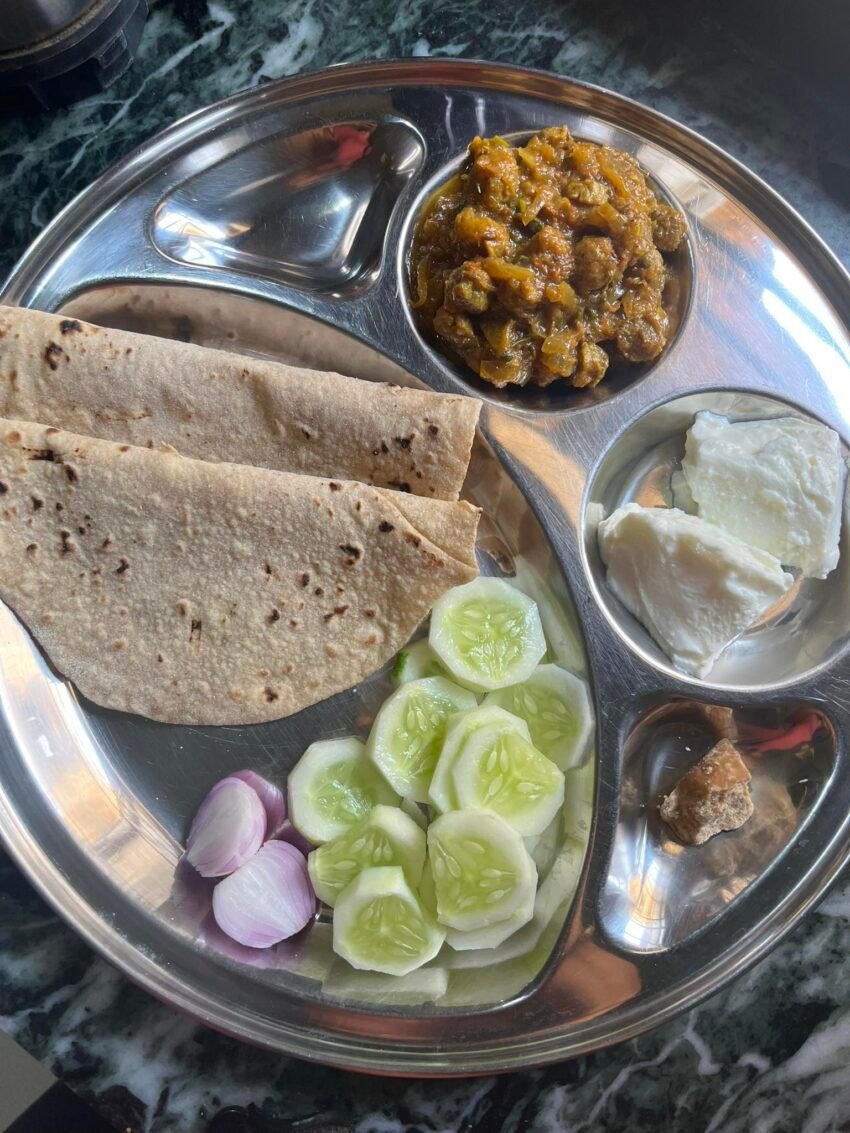
Indian cuisine 🇮🇳 is one of the most diverse and flavor-rich food traditions in the world, shaped by thousands of years of regional, cultural, and religious influences.
🌶️ Core idea
There isn’t just one “Indian food”—it’s a collection of regional cuisines with very different styles:
- North India: richer, creamier gravies, bread-heavy (naan, roti)
- South India: rice-based, lighter, tangy, coconut and tamarind flavors
- West India: spicy coastal and desert influences, seafood in coastal areas
- East India: fish, rice, mustard-based dishes, and sweets
🍛 Popular dishes
- Biryani – fragrant rice dish with spices, meat or vegetables
- Butter chicken – creamy tomato-based chicken curry
- Masala dosa – crispy rice crepe filled with spiced potatoes
- Chole bhature – spicy chickpeas with deep-fried bread
- Samosa – fried pastry filled with spiced potatoes or meat
🌿 What defines the flavor
- Heavy use of spices (cumin, coriander, turmeric, cardamom, cloves)
- Layered seasoning instead of single-ingredient taste
- Balance of spicy, sweet, sour, and savory in many dishes
- Use of ghee (clarified butter), yogurt, and lentils
🍽️ Eating style
- Meals are often shared and communal
- Many dishes are served with rice or flatbreads
- Accompaniments like chutneys, pickles, and yogurt are common
⭐ Why it stands out globally
- Extreme variety within one country
- Strong vegetarian tradition (large number of plant-based dishes)
- Deep cultural and regional identity tied to food
