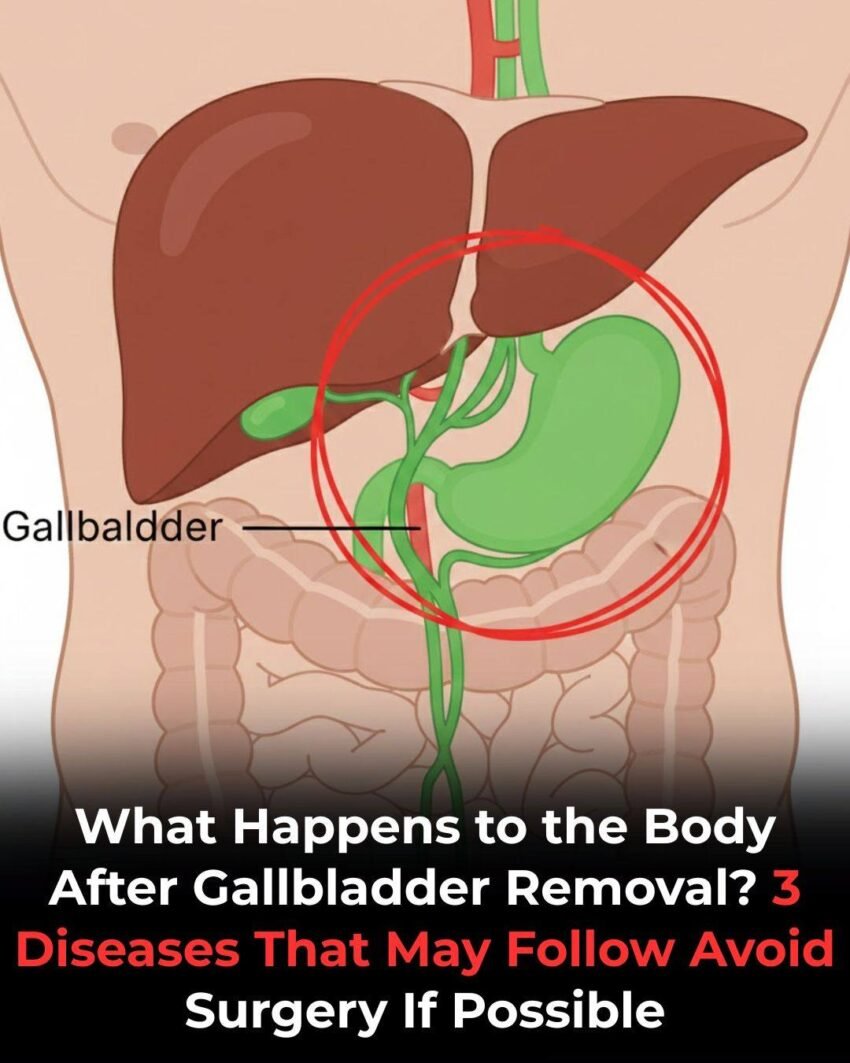
Gallbladder removal (cholecystectomy) is a very common surgery and can be life-saving in certain situations. However, the gallbladder does serve a purpose, and removing it can increase the risk of some long-term digestive issues for certain people.
Here are 3 conditions that can develop after gallbladder removal, and why surgery shouldn’t be the first option unless truly necessary:
1. Postcholecystectomy Syndrome (PCS)
After surgery, some people continue to experience symptoms such as:
- Abdominal pain
- Bloating
- Diarrhea
- Nausea
- Indigestion
This is known as postcholecystectomy syndrome, and it happens because bile no longer gets stored and concentrated in the gallbladder. Instead, it drips continuously into the intestines, which can irritate the digestive tract.
For some, symptoms are mild. For others, they can persist long term.
2. Chronic Diarrhea (Bile Acid Diarrhea)
Without a gallbladder to regulate bile release, excess bile can enter the colon and trigger:
- Frequent loose stools
- Urgency after meals
- Cramping
This is called bile acid diarrhea, and it may last months or even years after surgery. Some people require long-term medication (like bile acid binders) to manage it.
3. Increased Risk of Fatty Liver (Non-Alcoholic Fatty Liver Disease)
Research suggests a higher risk of non-alcoholic fatty liver disease (NAFLD) after gallbladder removal. Continuous bile flow may alter fat metabolism and liver function.
NAFLD can progress to:
- Liver inflammation
- Fibrosis
- Cirrhosis (in severe cases)
While not everyone develops this, the risk appears higher compared to people who keep their gallbladder.
Why Avoid Surgery When Possible?
The gallbladder’s role is to:
- Store bile
- Concentrate bile
- Release bile precisely when you eat fat
Removing it permanently alters digestion.
Surgery may be necessary if you have:
- Repeated gallstone attacks
- Gallbladder inflammation (cholecystitis)
- Pancreatitis from gallstones
- Gallbladder infection or blockage
But if symptoms are mild or infrequent, non-surgical approaches may be considered first under medical supervision.
Non-Surgical Options (When Appropriate)
Depending on your case, a doctor may suggest:
- Dietary modification (lower fat, avoid trigger foods)
- Weight management
- Bile acid medications
- Monitoring asymptomatic gallstones
However, it’s important to note:
👉 For severe or complicated gallbladder disease, surgery is often the safest and most effective treatment.
Bottom Line
Gallbladder removal is generally safe and common, but it is not consequence-free. Some people develop:
- Postcholecystectomy syndrome
- Chronic bile acid diarrhea
- Increased risk of fatty liver disease
If you are not in an emergency situation, it’s reasonable to discuss risks, benefits, and alternatives with your healthcare provider before deciding.
If you’d like, I can also explain:
- When surgery is absolutely necessary
- How to reduce gallstone attacks naturally
- What recovery is like after gallbladder removal
