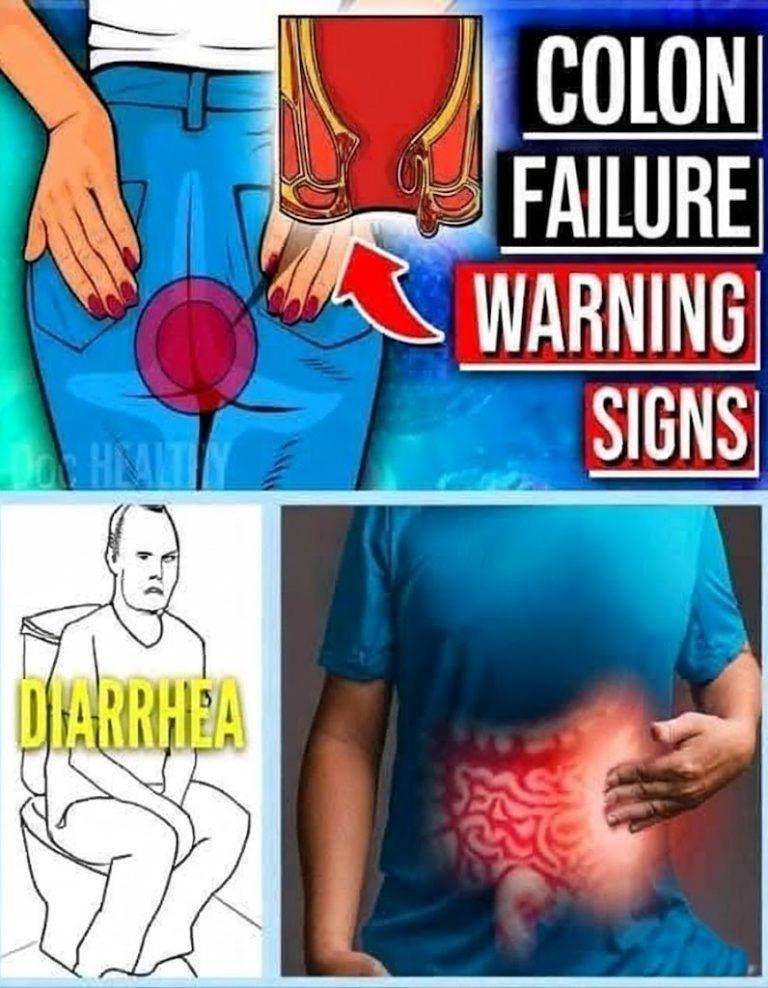
Colon health refers to how well your large intestine (colon) functions—especially in digestion, waste elimination, and maintaining a healthy gut environment.
Here’s a clear breakdown of what matters and how to support it:
🧠 What the colon does
- Absorbs water and electrolytes
- Forms and stores stool
- Houses gut bacteria (microbiome) that affect digestion, immunity, and even mood
✅ Signs of a healthy colon
- Regular bowel movements (typically 3x/day to 3x/week)
- Stool that is soft, formed, and easy to pass
- Minimal bloating, cramping, or discomfort
- No blood in stool
⚠️ Warning signs of problems
- Persistent constipation or diarrhea
- Blood in stool or black stools
- Unexplained weight loss
- Chronic abdominal pain
- Changes in bowel habits lasting >2 weeks
These can signal conditions like IBS, inflammatory bowel disease, or colorectal cancer—worth getting checked.
🥦 How to improve colon health
1. Eat more fiber
- Aim: ~25–38 grams/day
- Sources: vegetables, fruits, whole grains, beans
- Helps prevent constipation and supports gut bacteria
2. Stay hydrated
- Water keeps stool soft and easier to pass
3. Support your gut microbiome
- Eat fermented foods: yogurt, kefir, kimchi, sauerkraut
- Consider prebiotic foods: garlic, onions, bananas, oats
4. Limit harmful habits
- Reduce processed foods and red/processed meats
- Avoid smoking
- Moderate alcohol intake
5. Exercise regularly
- Physical activity stimulates bowel movement
6. Get screened
- Colon cancer screening typically starts at age 45 (earlier if high risk)
🚫 About “colon cleanses”
Most detoxes or colon cleanses:
- Aren’t necessary
- Can disrupt gut balance
- May cause dehydration or irritation
Your colon already cleans itself effectively when supported with diet and hydration.
🧩 Bonus: Gut–brain connection
Your colon microbiome influences:
- Mood and stress
- Immune function
- Inflammation
So colon health isn’t just digestion—it affects your whole body.
If you want, I can help you:
- Build a colon-friendly diet plan
- Evaluate your symptoms
