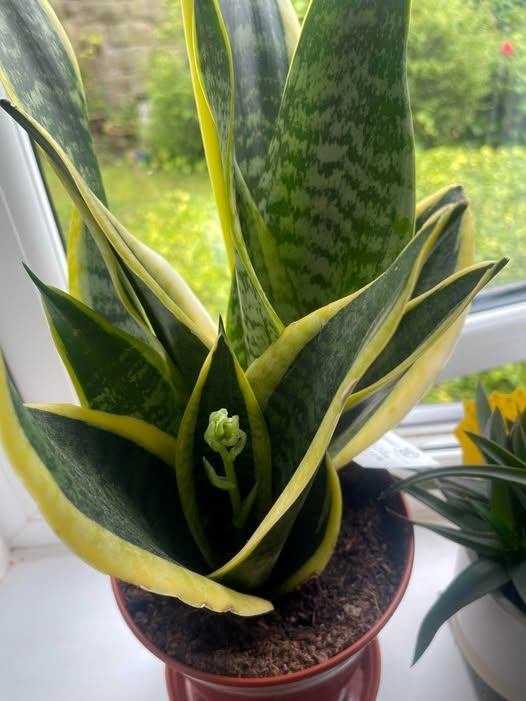
Agave is a group of succulent plants native mainly to Mexico and arid regions of the Americas.
🌵 What it is
- A desert-adapted plant with thick, fleshy leaves arranged in a rosette shape
- Stores water in its leaves to survive dry climates
- Some species take many years to flower, often blooming once before dying
🍯 Common uses
🌿 1. Agave syrup (sweetener)
- Extracted from the plant’s sap
- Sold as a liquid sweetener
- Often used as a substitute for sugar or honey
🍸 2. Tequila production
- One species, blue agave, is used to make tequila
- The plant’s core (“piña”) is fermented and distilled
🌾 3. Fiber and traditional uses
- Leaves contain strong fibers used for ropes, mats, and textiles
- Used historically in Mexican craftsmanship
😋 Agave syrup taste
- Mild, sweet flavor
- Similar to honey but thinner in texture
- Dissolves easily in drinks
⚖️ Health note (important)
- Although marketed as “natural,” agave syrup is:
- Very high in fructose
- Can still affect blood sugar and liver metabolism if overused
- Not necessarily healthier than regular sugar in large amounts
🌍 Where it grows
- Mexico (main center of diversity)
- Southwestern United States
- Other dry, warm climates worldwide
🧠 Fun fact
Some agave plants can take 10–30 years to flower, and many species bloom only once in their lifetime.
If you want, I can compare agave syrup vs honey vs sugar for health and diabetes control in a simple chart.
