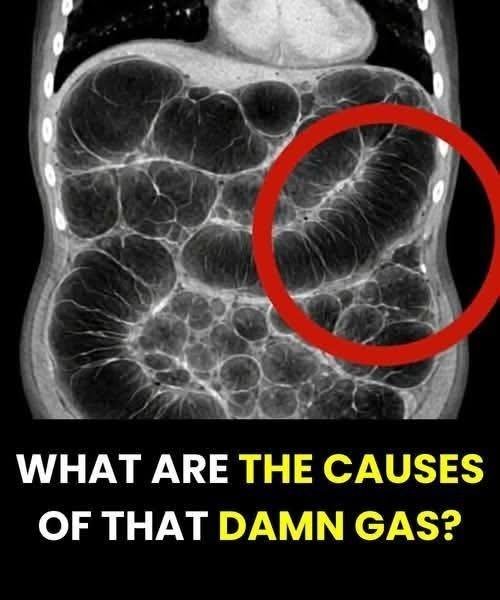
An abdominal X-ray showing intestinal gas is actually very common and usually normal physiology, not a disease by itself.
🩻 What an abdominal X-ray shows
A plain abdominal X-ray (often called a KUB) can display:
- Air (gas) in the stomach and intestines
- Stool in the colon
- Fluid levels (in certain conditions)
- Organ outlines indirectly
The intestines naturally contain gas from:
- Swallowed air
- Digestion of food
- Gut bacteria fermentation
💨 What “significant intestinal gas” means
It usually refers to visible gas-filled loops of bowel, which can appear:
- Normal and non-specific
- Or increased in conditions like bloating
This is often called:
- Bowel gas pattern (a descriptive imaging term, not a disease)
🧠 Common causes of increased gas on X-ray
Most are harmless, such as:
- Eating gas-producing foods (beans, lentils, carbonated drinks)
- Swallowing air (eating quickly, anxiety)
- Temporary indigestion or constipation
Less commonly, it can be seen in:
- Intestinal blockage (if severe and accompanied by symptoms)
- Ileus (slowed bowel movement after illness or surgery)
⚠️ When it becomes important
Doctors look at gas patterns along with symptoms. Concerning signs include:
- Severe abdominal pain
- Vomiting
- Swollen abdomen
- Inability to pass stool or gas
🧾 Bottom line
- Intestinal gas on X-ray is very common and often normal
- It only becomes clinically important when combined with symptoms or abnormal patterns
- The X-ray alone does not diagnose a problem—it is interpreted in context
