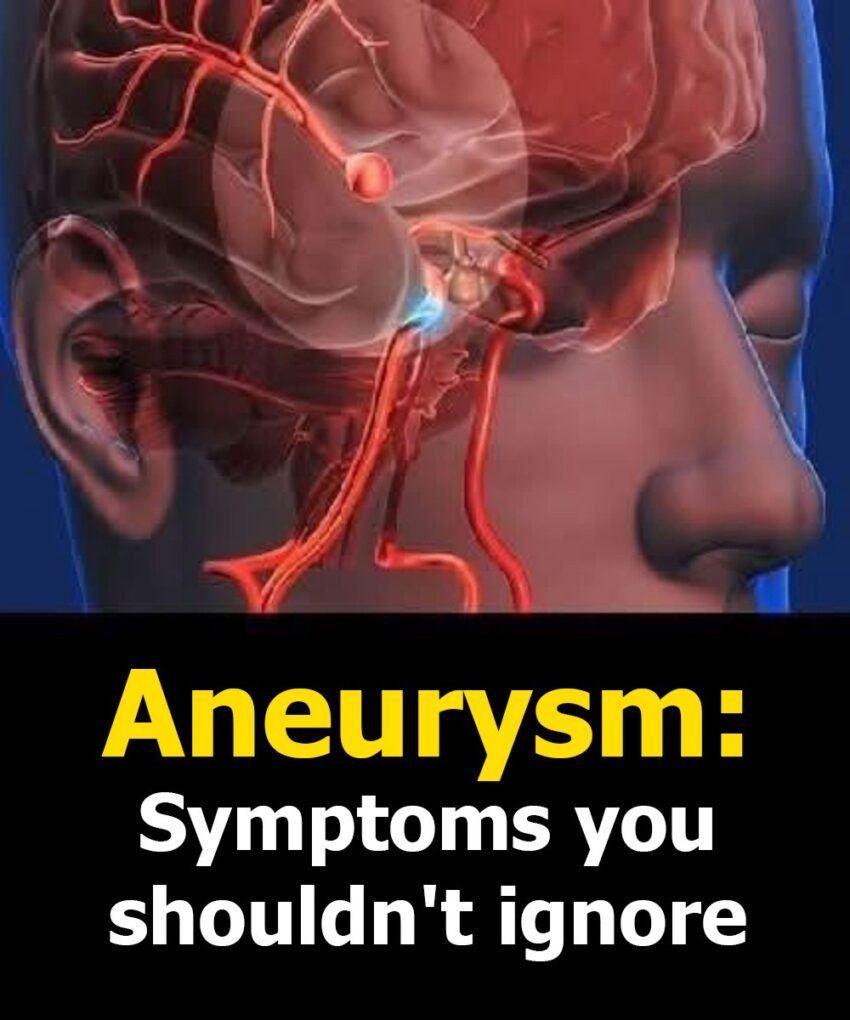
An aneurysm is a bulge or ballooning in a blood vessel caused by a weak spot in the vessel wall.
🧠 What is an aneurysm?
Aneurysm
- Happens when an artery wall becomes thin or weak
- Blood pressure pushes the wall outward, forming a bulge
- It can occur in different parts of the body
📍 Common types
🧠 Brain aneurysm (most serious)
- In the arteries of the brain
- If it bursts → can cause a hemorrhagic stroke
❤️ Aortic aneurysm
- In the aorta (main artery from the heart)
- Can be in chest or abdomen
🦵 Peripheral aneurysms
- Less common
- Occur in arteries like those behind the knee
⚠️ Why it’s dangerous
The main risk is rupture (bursting):
- Internal bleeding
- Stroke (if in brain)
- Life-threatening emergency
🚩 Warning signs (if present)
Many aneurysms have no symptoms until they grow or rupture, but possible signs include:
Brain aneurysm symptoms:
- Sudden severe headache (“worst headache of life”)
- Vision problems
- Nausea or vomiting
- Neck stiffness
Aortic aneurysm symptoms:
- Chest or back pain
- Pulsing feeling in abdomen
- Shortness of breath
🧬 Risk factors
- High blood pressure
- Smoking
- Aging
- Family history
- High cholesterol
🩺 Treatment options
- Monitoring (small, stable aneurysms)
- Blood pressure control
- Surgery or stent placement (if high risk or large)
