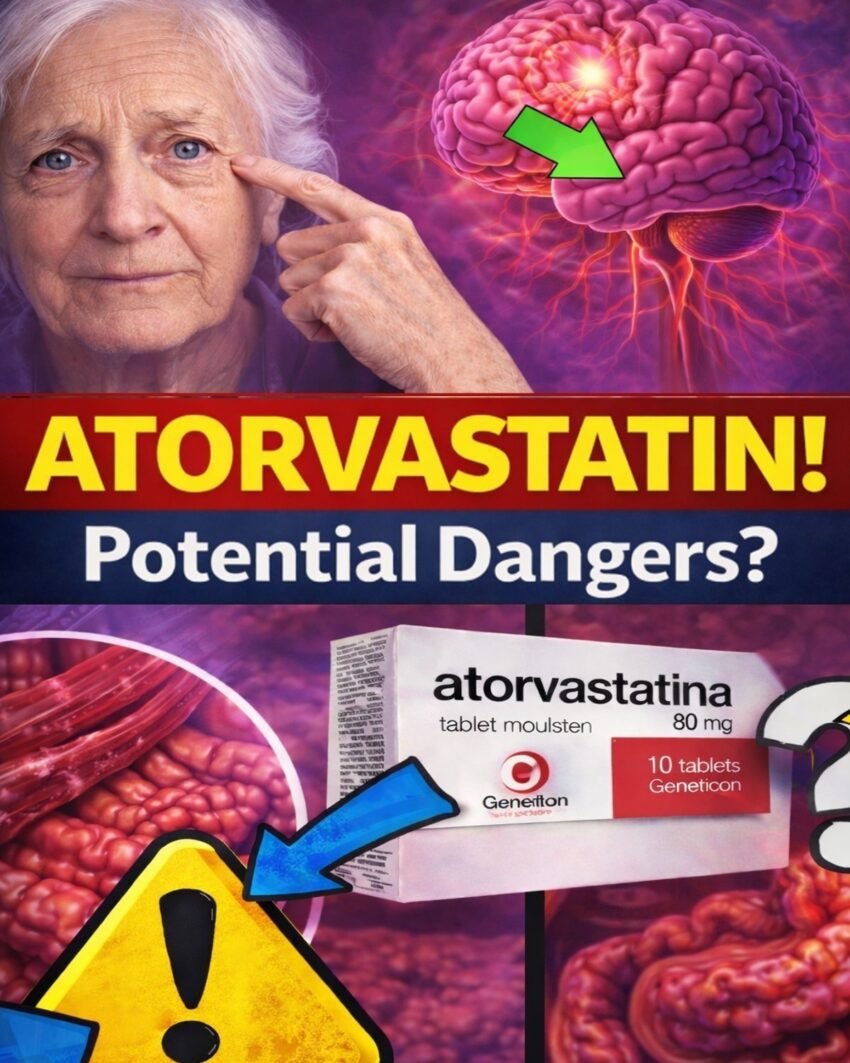
Atorvastatin is a widely used statin medication that lowers LDL (“bad”) cholesterol and reduces risk of heart attack and stroke. It’s generally well-studied and safe for most people, but like all medicines, it can have potential risks and side effects.
Here are the main potential dangers and important side effects to know:
1. Muscle-related problems (most common concern)
- Muscle pain, cramps, or weakness
- Rare but serious: rhabdomyolysis (severe muscle breakdown)
Warning signs:
- Severe muscle pain + dark urine + extreme weakness → seek urgent care
2. Liver effects
- Can increase liver enzymes (usually mild and temporary)
- Rarely, significant liver inflammation
Monitoring: Doctors often check liver function blood tests.
3. Blood sugar increase
- Slightly increases risk of type 2 diabetes in some people
- Risk is higher if you already have prediabetes or metabolic syndrome
4. Digestive and general side effects
- Nausea
- Constipation or diarrhea
- Headache
- Fatigue
5. Memory or mood changes (rare)
- Some people report forgetfulness or confusion
- Evidence is mixed; usually reversible after stopping or switching
6. Drug interactions (important)
Risk increases when combined with certain medications:
- Some antibiotics or antifungals
- Certain heart or HIV medications
- Grapefruit juice (can increase drug levels in blood)
7. Who needs extra caution
- People with active liver disease
- Heavy alcohol use
- History of muscle disorders
- Older adults on multiple medications
When it’s still worth taking
Despite these risks, atorvastatin is strongly beneficial for:
- Preventing heart attacks and strokes
- Lowering long-term cardiovascular risk
- People with high cholesterol or diabetes
For most patients, the benefits outweigh the risks significantly, especially under medical supervision.
If you want, tell me your dose or why it was prescribed—I can explain your personal risk level more clearly.
