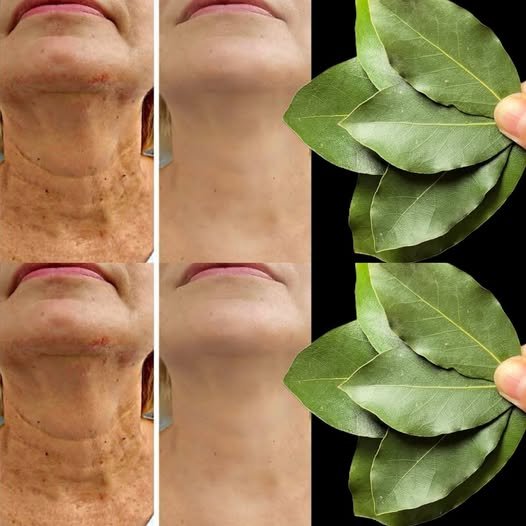
Bay leaf comes from the plant Laurus nobilis and is widely used in cooking, traditional remedies, and even symbolic practices. Here’s a clear, grounded look at what it actually does:
🍲 In cooking
- Adds a deep, slightly earthy flavor to soups, curries, and rice
- Usually used whole and removed before eating (it’s tough and sharp)
🌿 Potential health benefits
Bay leaves contain compounds with mild effects, but they’re not miracle cures:
- Blood sugar support
Some small studies suggest bay leaf may help improve insulin function in people with Type 2 Diabetes, but evidence is limited. - Digestive aid
Traditionally used to reduce bloating and support digestion - Cholesterol support
May slightly improve lipid levels due to antioxidant content
👉 These effects are modest and work best as part of an overall healthy diet.
🧴 For skin & hair (common claims)
- Sometimes used in DIY rinses or oils
- Can have mild antimicrobial or soothing properties
⚠️ But it does not replace proven treatments (like acne medication or anti-aging procedures).
🔮 Cultural / symbolic uses
In some traditions, bay leaf is associated with:
- Protection
- Good luck
- Manifestation rituals (like writing wishes on leaves and burning them)
These are belief-based practices, not scientifically proven effects.
⚠️ Safety notes
- Don’t eat whole dried leaves—they can scratch or choke
- Avoid excessive consumption (especially extracts or oils)
- Pregnant or medical-condition patients should consult a doctor before using it medicinally
✔️ Bottom line
Bay leaf is:
- ✔️ A useful culinary herb
- ✔️ Mildly beneficial for health
- ❌ Not a “super cure” or Botox alternative
