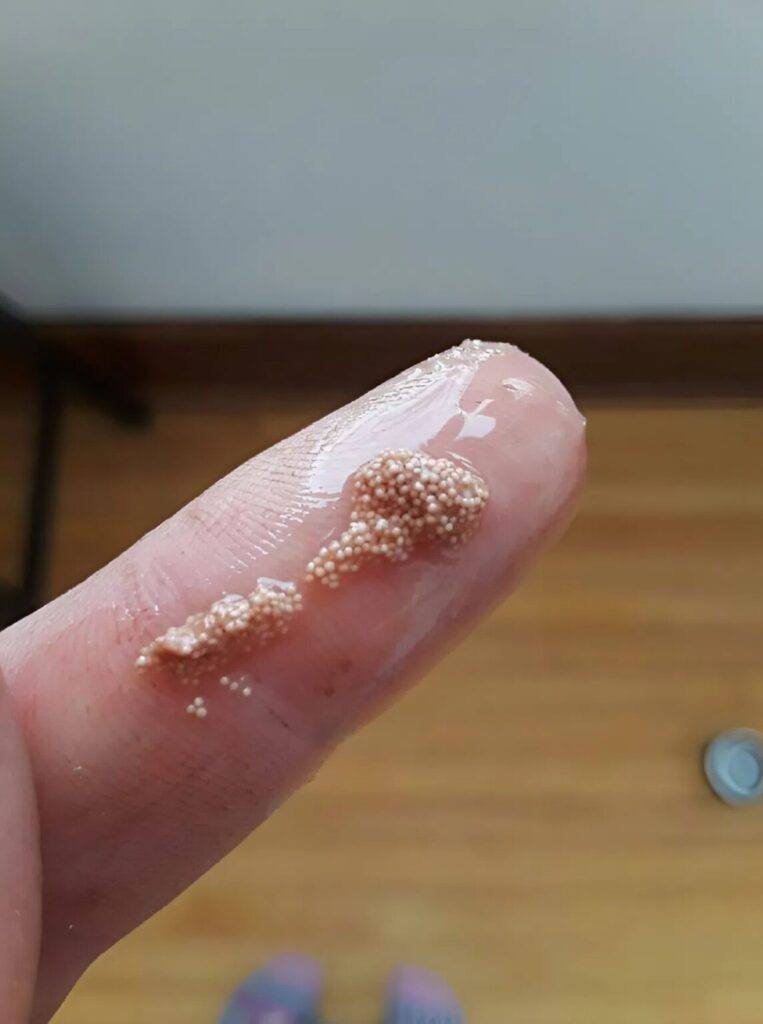
Calcium deposits refer to the buildup of calcium salts in body tissues where they normally shouldn’t accumulate. This process is called calcification.
They can appear in different parts of the body, and the meaning depends on the location.
🦴 Common types of calcium deposits
1. Skin (cutaneous calcification)
Small hard lumps under the skin
- May feel like firm nodules
- Can happen after injury, inflammation, or certain diseases
2. Joints & tendons
Often seen in the shoulder (rotator cuff)
- Can cause pain and stiffness
- Sometimes called calcific tendinitis
3. Blood vessels
Calcium builds up in arteries
- Makes arteries stiff (atherosclerosis)
- Increases risk of heart disease and stroke
4. Kidneys
Can form kidney stones
- Painful during urination
- Often made of calcium oxalate
5. Breast tissue (on scans)
- Sometimes found on mammograms
- Usually harmless, but doctors check patterns carefully
⚠️ Why they happen
Calcium deposits may develop due to:
- Aging
- Injury or tissue damage
- Chronic inflammation
- Imbalance of calcium/phosphate metabolism
- Kidney or hormonal disorders
- Long-term vitamin D or calcium imbalance (in some cases)
🩺 Symptoms (depends on location)
- Pain or stiffness (joints/tendons)
- Hard lumps under skin
- No symptoms at all (especially in blood vessels or breast findings)
- Kidney pain if stones are present
💊 Treatment
Not always needed. Options include:
- Monitoring (many are harmless)
- Anti-inflammatory medicines (for pain)
- Physical therapy (for tendon issues)
- Procedures to break or remove deposits (if severe)
- Treating underlying metabolic causes
