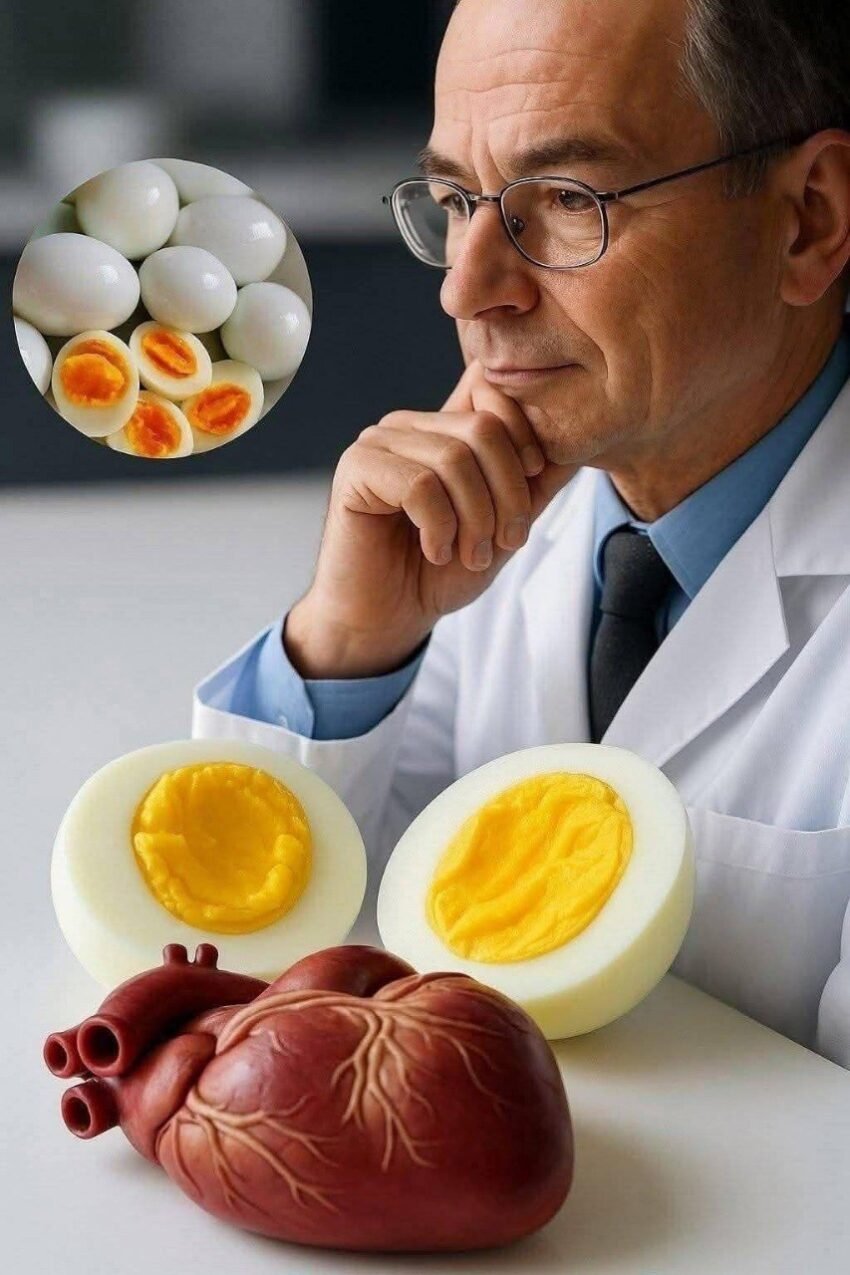
Cardiovascular health refers to how well your heart and blood vessels work together to circulate blood throughout your body. Good cardiovascular health lowers the risk of heart disease, stroke, and other circulation problems.
❤️ Cardiovascular health
Cardiovascular health
🫀 What it includes
- Heart strength and rhythm
- Blood vessel flexibility (arteries and veins)
- Healthy blood pressure
- Good blood flow and oxygen delivery
🧠 Why it matters
Good cardiovascular health helps:
- Prevent heart attack
- Reduce risk of stroke
- Improve energy and stamina
- Support brain and kidney function
🧬 Key factors affecting heart health
🚶 1. Physical activity
- Regular walking, cycling, or exercise
✔ Strengthens heart muscle and circulation
🥗 2. Diet
Heart-friendly eating includes:
- Fruits and vegetables
- Whole grains
- Healthy fats (nuts, olive oil, fish)
- Low salt and low processed foods
🚭 3. Avoid harmful habits
- Smoking damages blood vessels
- Excess alcohol raises blood pressure
⚖️ 4. Weight and metabolism
- Healthy body weight reduces heart strain
- Helps control blood pressure and cholesterol
🩸 5. Blood pressure & cholesterol control
- High blood pressure is a major risk factor
- High LDL cholesterol can clog arteries
😴 6. Sleep and stress
- Poor sleep increases heart risk
- Chronic stress affects blood pressure and inflammation
⚠️ Warning signs of poor cardiovascular health
- Chest pain or pressure
- Shortness of breath
- Fatigue during mild activity
- Swelling in legs or feet
- Irregular heartbeat
🧠 Simple takeaway
Cardiovascular health is built through daily habits: movement, balanced diet, no smoking, good sleep, and stress control.
