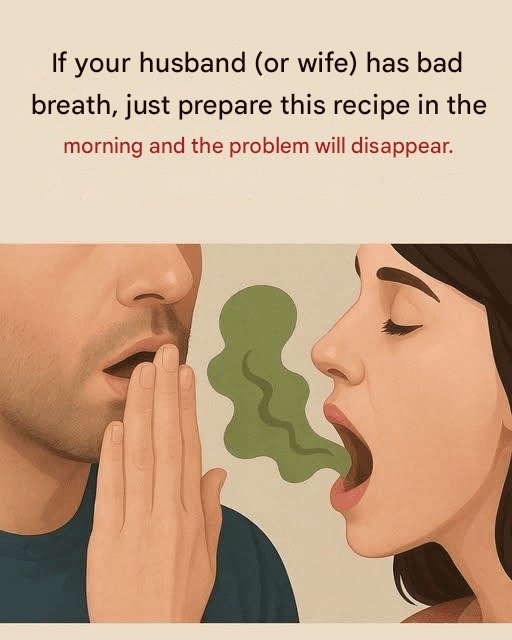
Clickbait is a type of sensationalized or misleading content designed mainly to attract attention and get people to click on a link, video, or article—often at the expense of accuracy or depth.
What makes something “clickbait”?
Clickbait typically uses:
- Exaggerated or shocking headlines (“You won’t believe what happened…”)
- Emotional triggers (fear, curiosity, outrage)
- Vague promises without clear information
- Withholding key details to force a click
Example:
“Doctors HATE this one simple trick…”
Instead of clearly stating what the content is about.
Why clickbait exists
The main goal is traffic generation, not necessarily information quality. It is common in:
- Social media posts
- YouTube thumbnails/titles
- News aggregation sites
- Advertising-driven blogs
More clicks → more ad revenue → more engagement metrics.
Problems with clickbait
- Misinformation risk: Content often doesn’t match the headline
- Wasted time: Users don’t get what they expected
- Trust erosion: Makes audiences skeptical of all media
- Algorithm manipulation: Prioritizes engagement over accuracy
Not all attention-grabbing content is bad
There’s a difference between:
- Good headlines: Clear, accurate, still engaging
- Clickbait: Misleading or exaggerated
Example comparison:
- Good: “New study shows diet may reduce heart disease risk”
- Clickbait: “THIS FOOD WILL CURE HEART DISEASE IN DAYS!”
How to spot clickbait quickly
Look for:
- Too much hype, too little detail
- No credible sources
- Emotional manipulation
- “Shocking” or “secret” language
- Requires clicking to understand basic context
Why it matters in science and health topics
Clickbait is especially risky in areas like medicine or nanotechnology (e.g., nanomedicines for diseases) because it can:
- Oversell experimental research
- Make unproven treatments sound guaranteed
- Create false hope or fear
If you want, I can also break down:
- how YouTube algorithms reward clickbait
- or how to write non-clickbait but still engaging titles
- or real examples of misleading health clickbait vs accurate reporting
