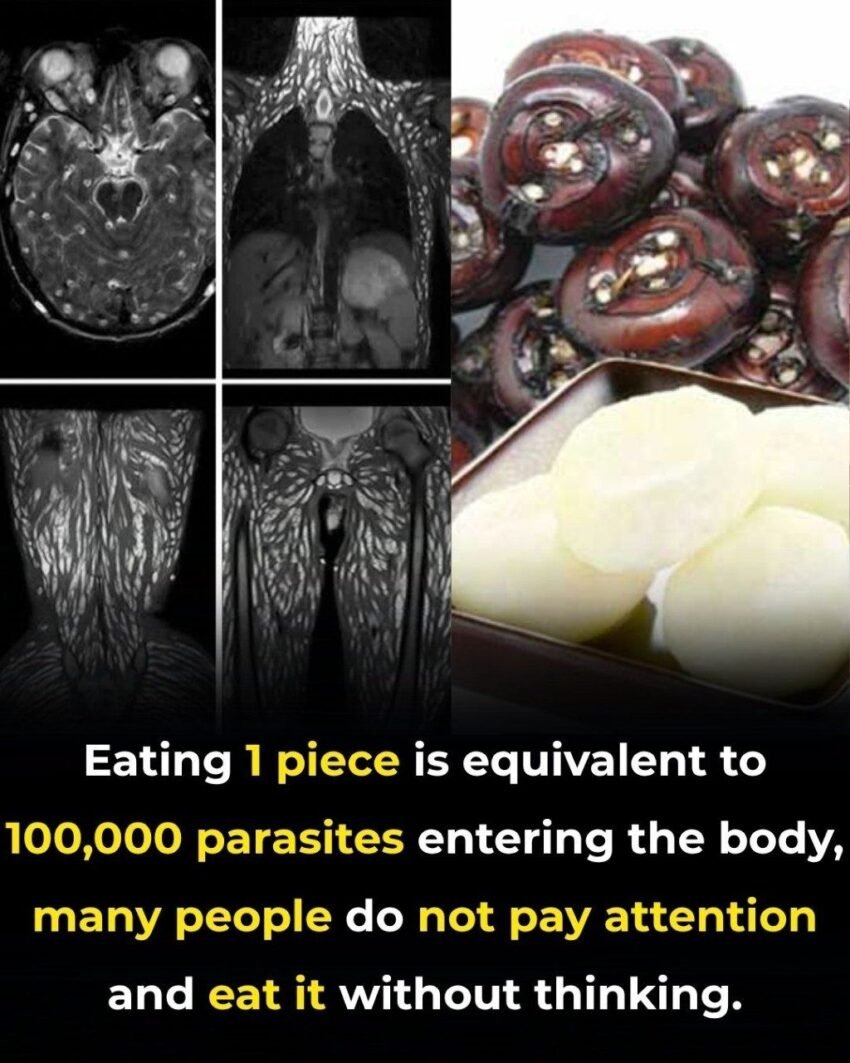
That claim is not medically true and is a classic example of fear-based misinformation.
🌰 What water chestnut actually is
Water chestnut is a crunchy aquatic plant food commonly eaten in Asian cuisine. It grows in water and is usually peeled or cooked before eating.
🧠 The “100,000 parasites” claim — why it’s false
There is:
- ❌ No scientific evidence that eating water chestnut introduces a specific number of parasites
- ❌ No biological mechanism where “one piece = 100,000 parasites”
- ❌ No medical or food safety authority supports this claim
It is viral misinformation, often designed to scare people away from certain foods.
🦠 Where the real risk comes from (rare cases)
Like any raw plant grown in water, risks depend on:
- Dirty or contaminated water sources
- Poor washing or handling
- Eating raw, unclean produce
In rare cases, any raw aquatic plant can carry:
- Bacteria
- Parasite eggs (very uncommon in properly cleaned food)
But this is not specific to water chestnuts, and it is not quantified or predictable like the claim suggests.
🧼 How to stay safe
- Wash thoroughly under running water
- Peel outer skin if raw
- Prefer cooking when possible
- Buy from clean, trusted sources
🧾 Bottom line
The statement “one water chestnut equals 100,000 parasites entering the body” is completely false and not based on science. Properly cleaned water chestnuts are safe to eat and widely consumed globally.
If you want, I can also explain which food parasite risks are actually real (and which are exaggerated online) so you can easily spot misinformation.
