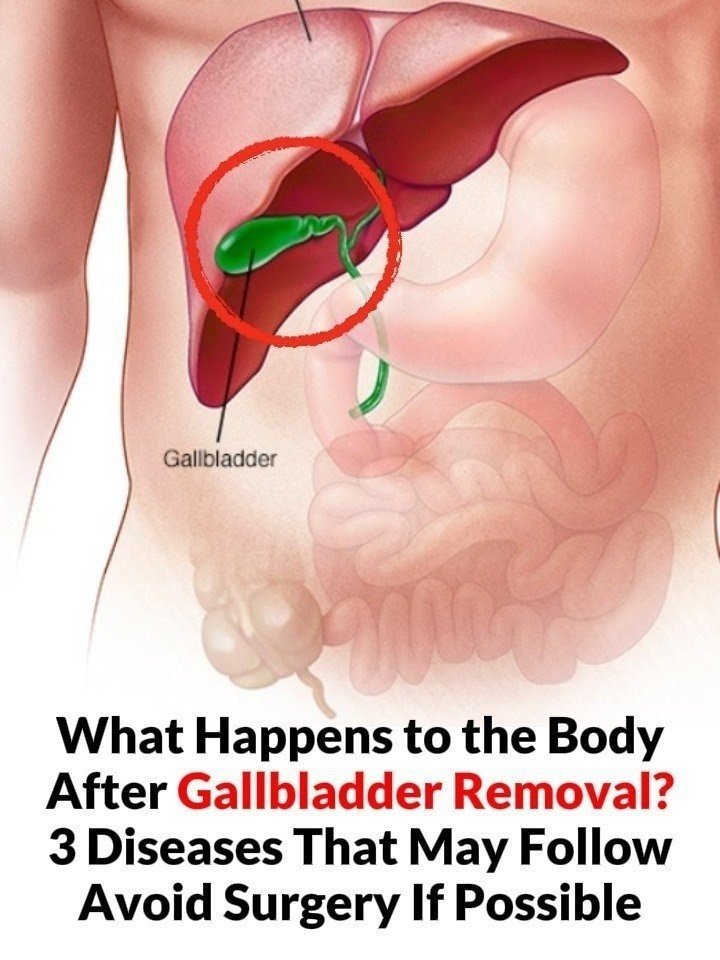
Gallbladder removal is a surgery called cholecystectomy, done to remove the gallbladder—an organ that stores bile (a digestive fluid that helps break down fats).
Why it’s done
Doctors usually recommend it for:
- Gallstones causing pain or blockage
- Gallbladder inflammation (cholecystitis)
- Repeated biliary colic (pain after fatty meals)
- Infection or complications from stones
Types of surgery
1. Laparoscopic (most common)
- Small cuts in the abdomen
- A camera and instruments are used
- Faster recovery (often same-day or 1–2 days in hospital)
2. Open surgery (less common)
- Larger incision
- Used if there are complications or severe infection
- Longer recovery time
Recovery
- Most people return to normal activities in 1–2 weeks (laparoscopic)
- Full recovery may take 4–6 weeks
- Mild fatigue and abdominal discomfort are common early on
Life after gallbladder removal
You can live normally without a gallbladder because bile flows directly from the liver to the intestine. However:
- Fat digestion becomes less efficient at first
- Some people experience looser stools or urgency, especially after fatty meals
- Symptoms usually improve over time
Diet after surgery
Initially recommended:
- Small, frequent meals
- Low-fat foods (boiled, baked, not fried)
- Gradual reintroduction of fats
Long term:
- Most people return to a normal diet
- Some benefit from keeping fatty meals moderate
Possible side effects or complications
- Temporary diarrhea or bloating
- Infection or bleeding (rare)
- Bile duct injury (rare but serious)
- Persistent digestive discomfort in a small number of people (post-cholecystectomy syndrome)
If you want, tell me whether this is for surgery planning, recovery, or symptoms—I can give more specific guidance (like what pain is normal, or what foods to avoid day by day).
