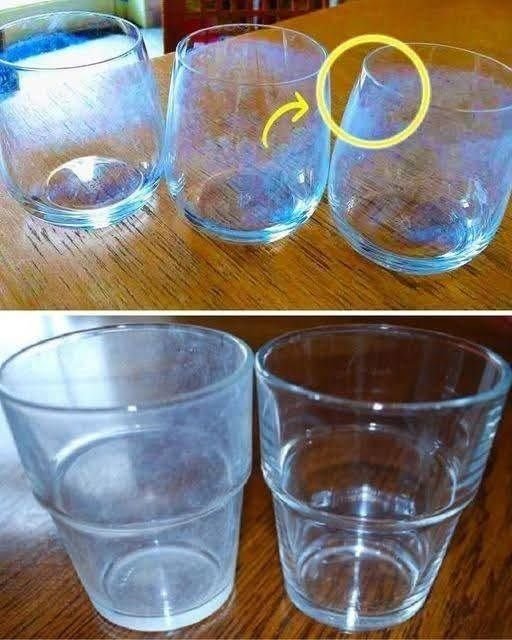
“Glasses with white patina” usually refers to a white, cloudy, or chalky film that appears on lenses or frames. It can happen on both eyeglasses (eyewear) and sometimes glass surfaces.
Most commonly, it’s not real patina—it’s one of these:
👓 1. Mineral buildup (hard water stains)
If you rinse glasses with tap water:
- Calcium and magnesium leave a white haze
- Looks like fog or chalky coating
🧴 2. Soap or detergent residue
- Using dish soap or hand soap incorrectly
- Not rinsing fully
- Leaves a dull white film on lenses
😬 3. Lens coating damage
On modern glasses, lenses often have coatings (anti-reflective, UV, etc.). Over time:
- Heat + chemicals + scratches can break down the coating
- Causes permanent cloudy or “milky” appearance
This is more serious and usually not fully reversible.
🌫️ 4. Plastic frame oxidation (less common visually)
On plastic frames, exposure to:
- sweat
- UV light
- skin oils
can cause a whitish surface film or dullness.
🧼 How to fix it (safe cleaning)
✔️ Basic cleaning method
- Rinse with lukewarm water
- Add a drop of mild dish soap
- Gently rub with fingers (not abrasive cloth)
- Rinse thoroughly
- Dry with a microfiber cloth
✔️ For stubborn white haze (mineral buildup)
- Use a mix of water + a tiny amount of white vinegar
- Wipe gently, then rinse well
⚠️ Don’t soak coated lenses too long.
❌ Avoid
- Paper towels or tissues (can scratch lenses)
- Alcohol or acetone (can damage coatings)
- Hot water (can worsen coating damage)
🧠 When it cannot be cleaned
If the white haze:
- stays after cleaning
- looks inside the lens (not on surface)
- keeps spreading
👉 it’s likely coating degradation, and the lenses may need replacement.
🧾 Bottom line
White patina on glasses is usually caused by mineral deposits, soap residue, or coating wear. Most cases can be cleaned easily, but damaged coatings are permanent.
