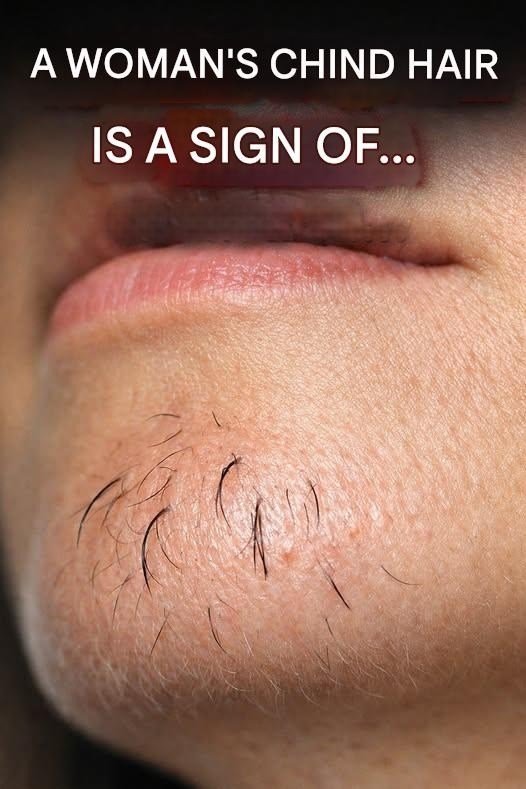
🧬 Hirsutism
Hirsutism is a condition where women develop excess dark, coarse hair in areas where men typically grow hair.
📍 Common areas affected
- Face (upper lip, chin, jawline)
- Chest
- Back
- Lower abdomen
- Inner thighs
🧠 Main cause
Hirsutism usually happens due to higher levels of androgens (male-type hormones) or increased sensitivity of hair follicles to these hormones.
⚠️ Common underlying causes
🟠 Hormonal conditions
- Polycystic ovary syndrome (PCOS) (most common cause)
🟡 Other causes
- Adrenal gland disorders
- Certain ovarian conditions (rare)
- Medications that increase androgen activity
🟢 Idiopathic hirsutism
- No clear cause found
- Hormone levels may appear normal
🧪 Associated symptoms (especially with PCOS)
- Irregular or missed periods
- Acne
- Weight gain or difficulty losing weight
- Scalp hair thinning
🩺 Diagnosis
Doctors may use:
- Hormone blood tests (testosterone, DHEAS)
- Ultrasound of ovaries
- Medical history and hair growth pattern
💊 Treatment options
🔹 Medical treatment
- Hormonal contraceptives (regulate androgens)
- Anti-androgen medicines (e.g., spironolactone)
- Topical creams (for facial hair reduction)
🔹 Cosmetic methods
- Laser hair removal
- Electrolysis (permanent removal)
- Waxing, threading, shaving
🧠 Key takeaway
Hirsutism is not just a cosmetic issue—it can sometimes signal an underlying hormonal imbalance, most commonly PCOS, and is treatable once the cause is identified.
If you want, I can help you understand:
- how to tell hirsutism vs normal hair growth
- PCOS symptoms checklist
- or best hair removal methods for long-term results
