🌿 Peace Lily
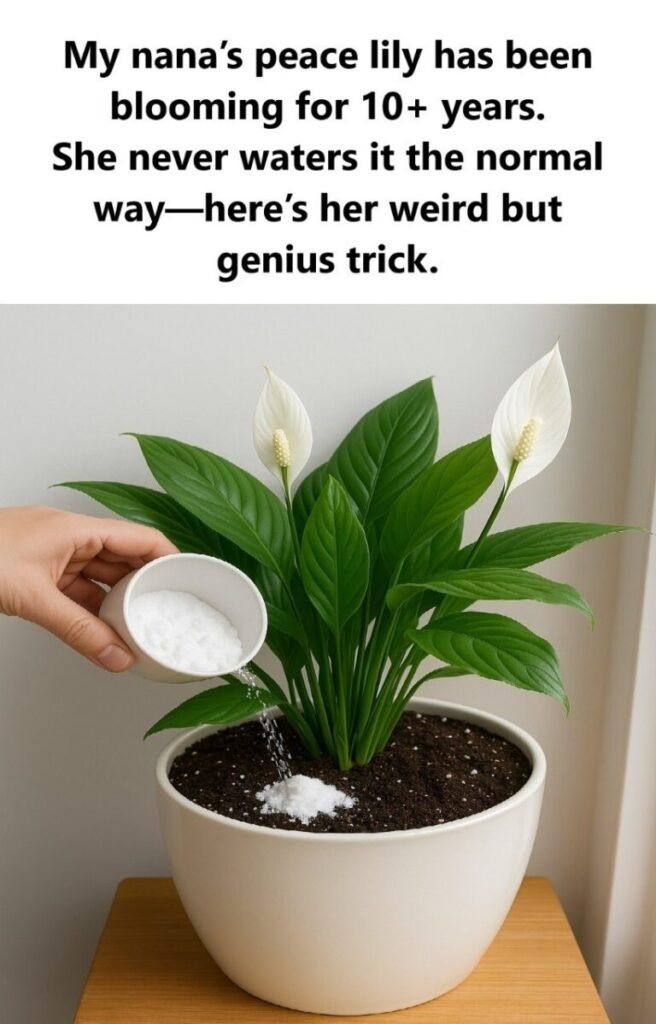
Spathiphyllum is a popular indoor plant known for its glossy green leaves and elegant white “flower” spathes.
🌸 What it looks like
- Dark green, arching leaves
- White leaf-like bracts (often mistaken for flowers)
- Occasional true flowers are tiny and on a central spike
- Grows in clumps and stays relatively compact indoors
🌍 Natural habitat
- Native to tropical rainforests of Central and South America
- Naturally grows on forest floors in shaded, humid environments
☀️ Care requirements
💡 Light
- Prefers low to medium indirect light
- Can tolerate low light better than many flowering plants
- Avoid direct sunlight (can scorch leaves)
💧 Water
- Likes consistently moist soil
- Water when top inch of soil feels dry
- Drooping leaves often signal thirst
🌡️ Temperature & humidity
- Best in warm indoor temperatures
- Prefers higher humidity but adapts well indoors
🌬️ Air-purifying reputation
Peace lilies are often included in indoor plant studies for their ability to help reduce certain airborne compounds in controlled environments.
⚠️ Safety note
- Mildly toxic if ingested by pets or humans
- Can cause mouth irritation, drooling, or stomach upset
- Keep away from cats and dogs
🧠 Simple summary
Peace lily is a low-maintenance tropical indoor plant that thrives in low light and adds decorative white blooms, but it should be kept away from pets due to mild toxicity.
If you want, I can also explain:
- why peace lily leaves turn yellow or droop
- how often to fertilize it
- or how to make it bloom more consistently indoors
