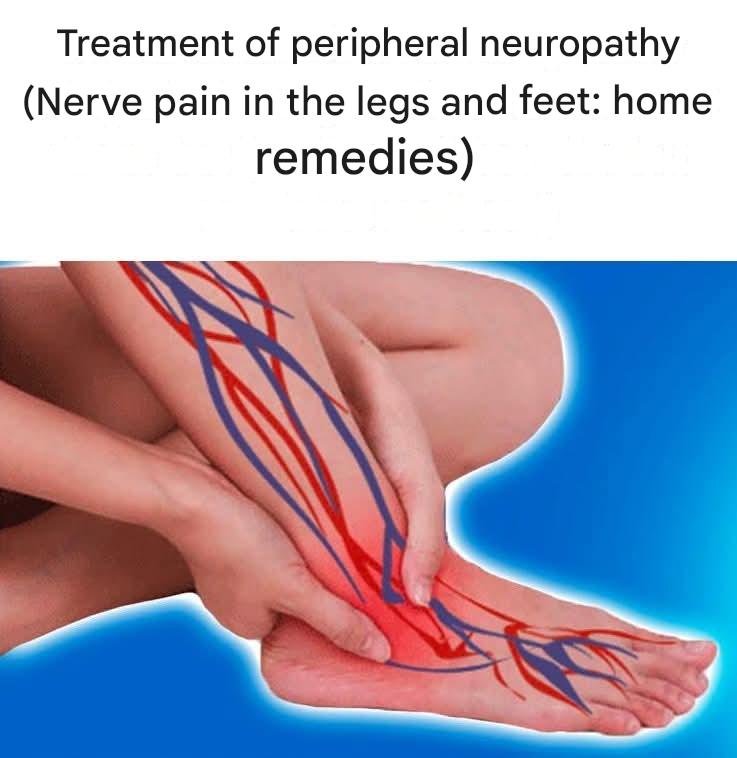
Peripheral neuropathy is a condition where the peripheral nerves (the nerves outside the brain and spinal cord) are damaged. These nerves control sensation, movement, and some body functions like digestion and blood pressure.
🧠 Common symptoms
Symptoms depend on which nerves are affected, but often include:
Sensory symptoms (most common)
- Tingling or “pins and needles”
- Numbness, especially in hands or feet
- Burning or sharp, stabbing pain
- Increased sensitivity to touch
- Feeling like you’re wearing gloves or socks when you’re not
Motor symptoms
- Muscle weakness
- Loss of coordination or balance
- Muscle cramps or twitching
- Difficulty with fine movements (buttoning, writing)
Autonomic symptoms (less common)
- Dizziness when standing (blood pressure changes)
- Digestive problems (bloating, constipation, diarrhea)
- Abnormal sweating
- Heart rate changes
⚠️ Common causes
Peripheral neuropathy is not one disease—it has many causes, including:
- Diabetes (most common cause worldwide)
- Vitamin deficiencies (especially B12)
- Alcohol overuse
- Certain medications (e.g., some chemotherapy drugs)
- Infections (like shingles or HIV)
- Autoimmune conditions (e.g., lupus, rheumatoid arthritis)
- Kidney or liver disease
- Nerve compression or injury
🧪 Diagnosis
Doctors may use:
- Blood tests (B12, glucose, thyroid, etc.)
- Nerve conduction studies / EMG
- Physical neurological exam
- Sometimes imaging if needed
💊 Treatment
Treatment depends on the cause:
- Control blood sugar (if diabetic)
- Vitamin replacement (especially B12 if low)
- Pain relief medications (e.g., gabapentin, duloxetine)
- Physical therapy for strength and balance
- Lifestyle changes (stopping alcohol, improving nutrition)
🚨 When to seek medical help urgently
- Rapidly worsening weakness
- Sudden loss of sensation
- Trouble walking or frequent falls
- New bladder or bowel control issues
✔️ Key takeaway
Peripheral neuropathy is often treatable and sometimes reversible early, especially when caused by vitamin deficiency or metabolic issues—but long-standing nerve damage can become harder to reverse.
If you want, tell me your symptoms (like tingling, burning, or numbness), and I can help you understand what type of neuropathy it might resemble and what tests are usually done.
