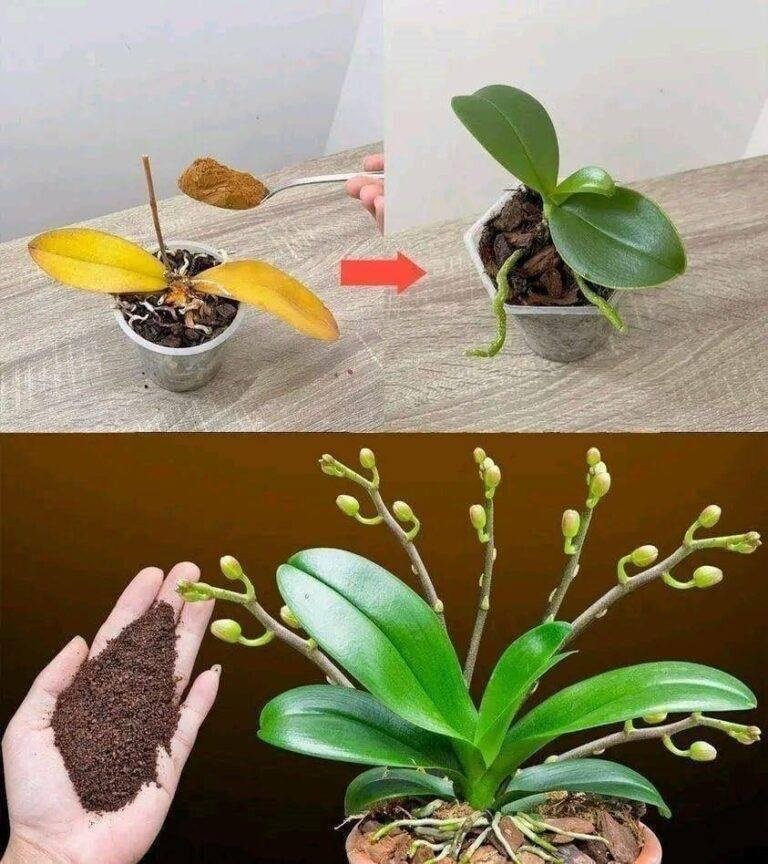
🌱 Key idea first
Phalaenopsis orchids grow best in airy bark-based media, not soil. Coffee grounds behave like fine organic matter that can compact, retain too much moisture, and encourage rot if used directly.
☕ How coffee grounds can be used safely
1. Compost first (best method)
Instead of adding coffee grounds directly to the orchid pot:
- Mix used coffee grounds into a compost pile
- Let them fully break down
- Use the finished compost sparingly as a soil amendment for other plants (not directly for orchid roots)
👉 This is the safest route because orchids are sensitive to raw organic waste.
2. Very dilute liquid “coffee tea” (occasional use)
Some growers use a weak solution:
- 1 teaspoon used coffee grounds soaked in 1 liter of water
- Let sit 24 hours
- Strain very well
- Use occasionally as a light fertilizer substitute (rarely, not weekly)
⚠️ Even then:
- Use only on healthy plants
- Flush with plain water afterward occasionally
- Stop if you notice root stress or leaf yellowing
3. As compost for surrounding plants
If you grow orchids near other houseplants, coffee grounds are better used for:
- Ferns
- Peace lilies
- Garden soil plants
❌ What NOT to do
Avoid these completely:
- Putting wet coffee grounds directly into orchid pots
- Layering grounds on bark media
- Using thick or frequent coffee “fertilizer”
- Mixing grounds into orchid roots or potting mix
These can cause:
- Root rot
- Fungal growth
- Poor airflow in the pot
- Acid imbalance in the medium
🌸 What Phalaenopsis orchids actually prefer
They respond best to:
- Diluted orchid fertilizer (balanced NPK like 20-20-20 or orchid-specific feeds)
- High humidity (not wet roots)
- Airy bark chips + perlite + charcoal mix
- Bright indirect light
Bottom line
Used coffee grounds are not a direct orchid fertilizer, but they can be repurposed safely through composting or very diluted extracts—used cautiously and rarely.
If you want, I can suggest a simple homemade orchid care routine (watering + feeding schedule) that works better than coffee-based methods.
