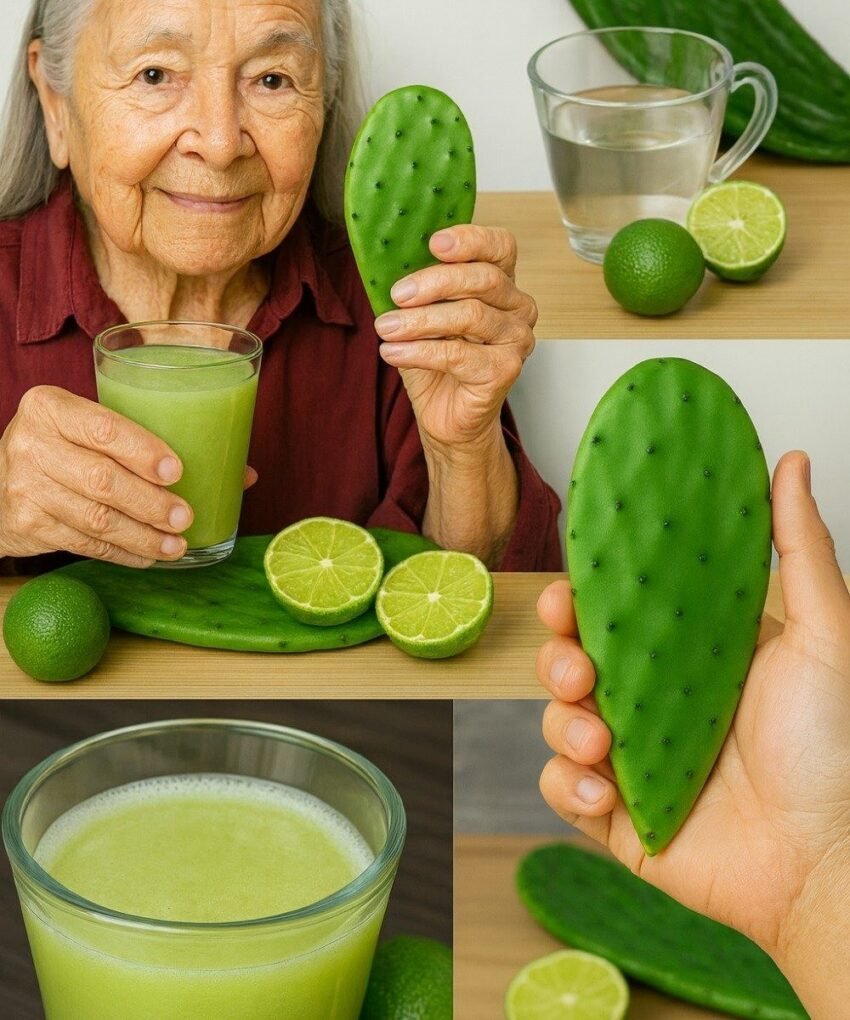
Prickly Pear Cactus 🌵
The prickly pear cactus is a desert plant known for its flat green pads and colorful edible fruit. It grows in hot, dry regions and is commonly used as both food and traditional medicine in parts of the Americas.
🌵 What it is
The prickly pear belongs to the cactus genus Opuntia. It has two edible parts:
- Pads (nopales): flat, green cactus “leaves”
- Fruit (tunas): small, oval fruits that can be red, pink, yellow, or purple
🥗 Edible parts
🌿 Nopales (cactus pads)
- Cooked like a vegetable
- Often used in salads, scrambled eggs, or stir-fry
- Mild, slightly tangy flavor
- Soft texture when cooked (similar to okra)
🍈 Prickly pear fruit (tunas)
- Eaten raw after peeling
- Used in juice, jam, syrup, and desserts
- Sweet and refreshing, with hints of watermelon and pear
🍽️ Taste & texture
- Pads: soft, slightly slimy when cooked, mild flavor
- Fruit: sweet, juicy, and refreshing
💡 Health notes (traditional use)
- High in fiber
- Contains antioxidants
- Hydrating in hot climates
- Low in calories
⚠️ Important safety note
The cactus has tiny spines (glochids) that must be carefully removed before handling or eating to avoid skin irritation.
🔄 Common uses
- Nopales salad with onion, tomato, and lime
- Grilled cactus pads
- Prickly pear juice and cocktails
- Jams, syrups, and candies
If you want, I can show you how to peel prickly pear fruit safely step-by-step or give you a simple Mexican-style nopales recipe you can try at home.
