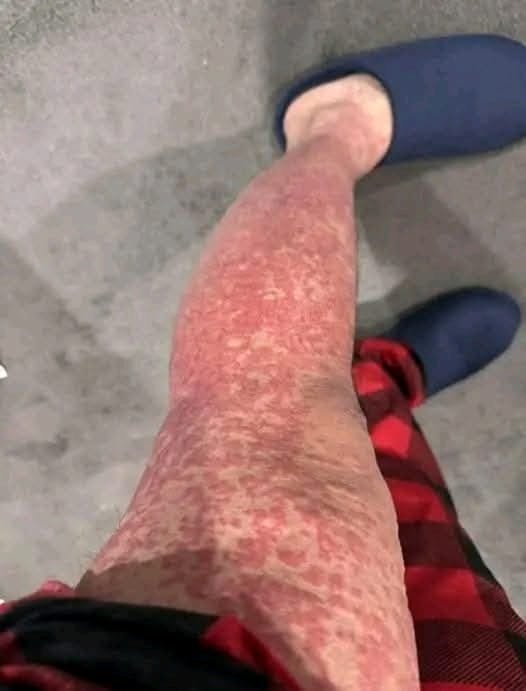
Psoriasis is a long-term (chronic) skin condition where the immune system becomes overactive and causes skin cells to grow too quickly. This leads to thick, scaly patches on the skin.
It is not contagious—you cannot catch it or spread it to others.
🧬 What psoriasis looks like
Common signs include:
- Red or pink patches of skin
- Silvery-white scales on top
- Itching, burning, or soreness
- Dry, cracked skin that may bleed
- Thickened nails or pitting (in some people)
Common areas:
- Elbows
- Knees
- Scalp
- Lower back
- Nails
🧠 Why it happens
Psoriasis is mainly caused by an immune system imbalance, where the body mistakenly speeds up skin cell production.
Triggers can include:
- Stress 😟
- Infections (like sore throat)
- Cold, dry weather
- Skin injury (cuts, scratches)
- Certain medications
- Smoking or alcohol
🔄 Types of psoriasis
- Plaque psoriasis (most common) – thick scaly patches
- Guttate psoriasis – small drop-like spots (often after infection)
- Scalp psoriasis – flaking and itching on scalp
- Nail psoriasis – pitting, thick or discolored nails
💊 Treatment options
There is no permanent cure, but it can be well controlled:
🧴 Topical treatments
- Steroid creams
- Vitamin D creams
- Moisturizers (very important)
💡 Light therapy
- Controlled UV light treatment from a clinic
💊 Systemic treatments (for severe cases)
- Oral medications
- Biologic injections (target immune system)
🌿 Lifestyle help
- Keep skin moisturized daily
- Manage stress
- Avoid scratching
- Limit alcohol and smoking
- Gentle skincare products
🚩 When to see a doctor
- Painful or spreading patches
- Joint pain or stiffness (may suggest psoriatic arthritis)
- No improvement with over-the-counter creams
