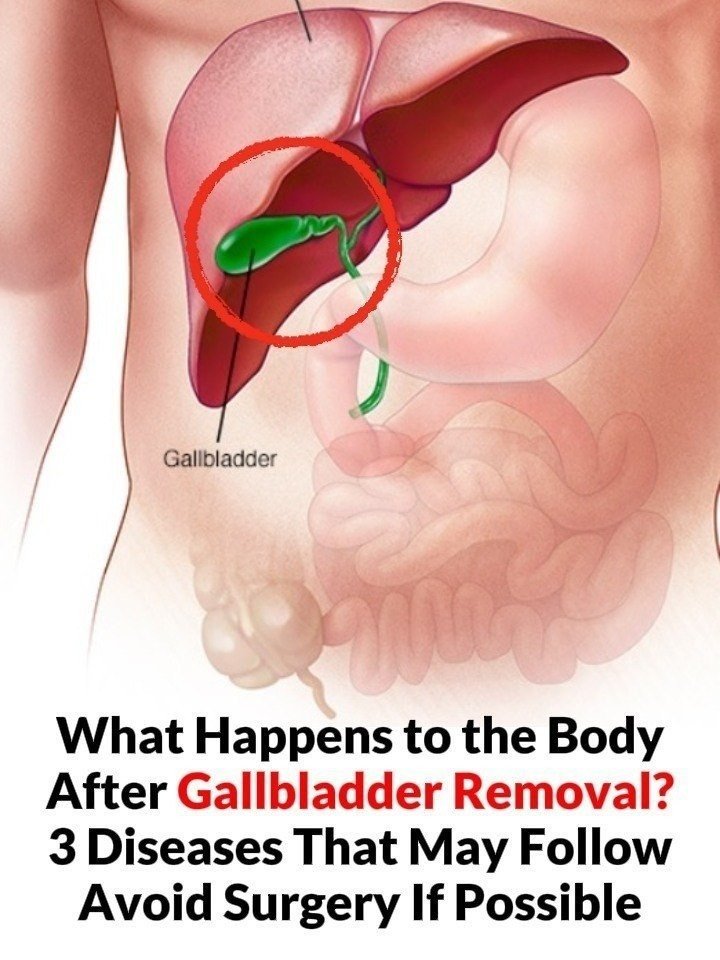
Removal of the gallbladder is called a Cholecystectomy. It’s a very common surgery, usually done to treat problems caused by gallstones.
🩺 Why it’s done
Doctors typically recommend it if you have:
- Gallstones causing pain (biliary colic)
- Inflammation of the gallbladder (Cholecystitis)
- Blocked bile ducts
- Pancreatitis linked to gallstones
🔧 Types of surgery
1. Laparoscopic (keyhole) surgery
- Most common method
- Small cuts, camera-guided
- Less pain, quicker recovery
- Usually go home the same day or next day
2. Open surgery
- Larger incision in the abdomen
- Used if there are complications
- Longer hospital stay and recovery
⏱️ Recovery
- Laparoscopic: back to normal in about 1–2 weeks
- Open surgery: may take 4–6 weeks
- Light activity is encouraged early, but avoid heavy lifting for a while
🍽️ Life after gallbladder removal
You can live normally without a gallbladder. The liver still makes bile, but it flows directly into your intestine.
Some people notice:
- Temporary diarrhea or loose stools
- Sensitivity to fatty or spicy foods
Helpful diet tips:
- Eat smaller, more frequent meals
- Limit high-fat, fried foods at first
- Gradually reintroduce normal foods
⚠️ Risks (uncommon but possible)
- Infection
- Bleeding
- Bile leakage
- Injury to nearby structures
🚨 When to seek medical help after surgery
- Fever or chills
- Severe abdominal pain
- Yellowing of skin/eyes (jaundice)
- Persistent vomiting
