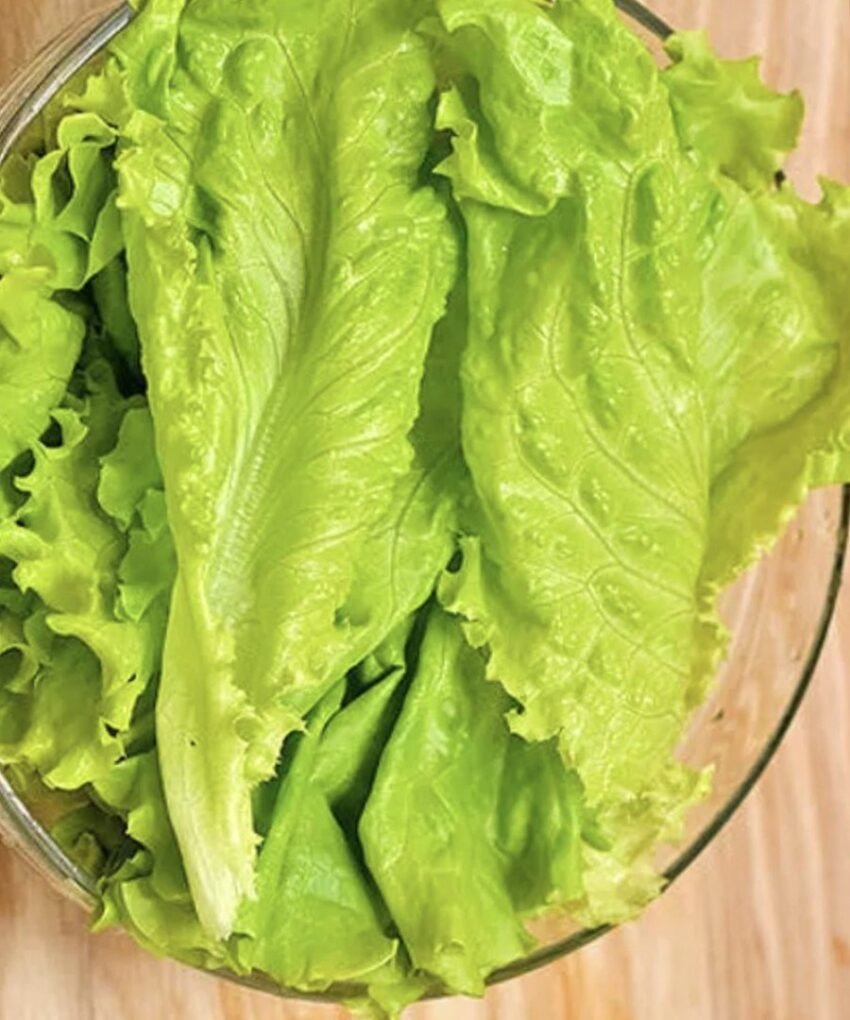
When the headline says a doctor is warning about romaine lettuce, it’s usually referring to past or current concerns about foodborne illness outbreaks, not that romaine is inherently dangerous.
What the warning typically means
Romaine lettuce has, at times, been linked to contamination with bacteria like Escherichia coli infection (E. coli) or Salmonella. These outbreaks can happen when:
- Water used in farming is contaminated
- Irrigation or soil gets exposed to animal waste
- Processing or packaging is not properly sanitized
Because romaine is often eaten raw (in salads), there’s no cooking step to kill bacteria.
Important context
- These warnings are usually outbreak-specific, not permanent bans on romaine.
- Health agencies like the Centers for Disease Control and Prevention (CDC) or U.S. Food and Drug Administration (FDA) issue alerts only when there’s evidence of contamination from certain regions or batches.
- Most romaine sold at any given time is safe.
What you should actually do
If there’s a current advisory:
- Avoid romaine if it’s specifically recalled (often labeled by harvest region/date)
- Wash leafy greens thoroughly (though washing reduces but doesn’t eliminate risk)
- Keep refrigerated and avoid cross-contamination with raw meat
Bottom line
“A doctor warns about romaine lettuce” is usually shorthand for a temporary food safety alert, not a general claim that romaine is unsafe.
If you want, paste the exact headline—you can usually tell from the wording whether it’s a real outbreak alert or exaggerated media framing.
