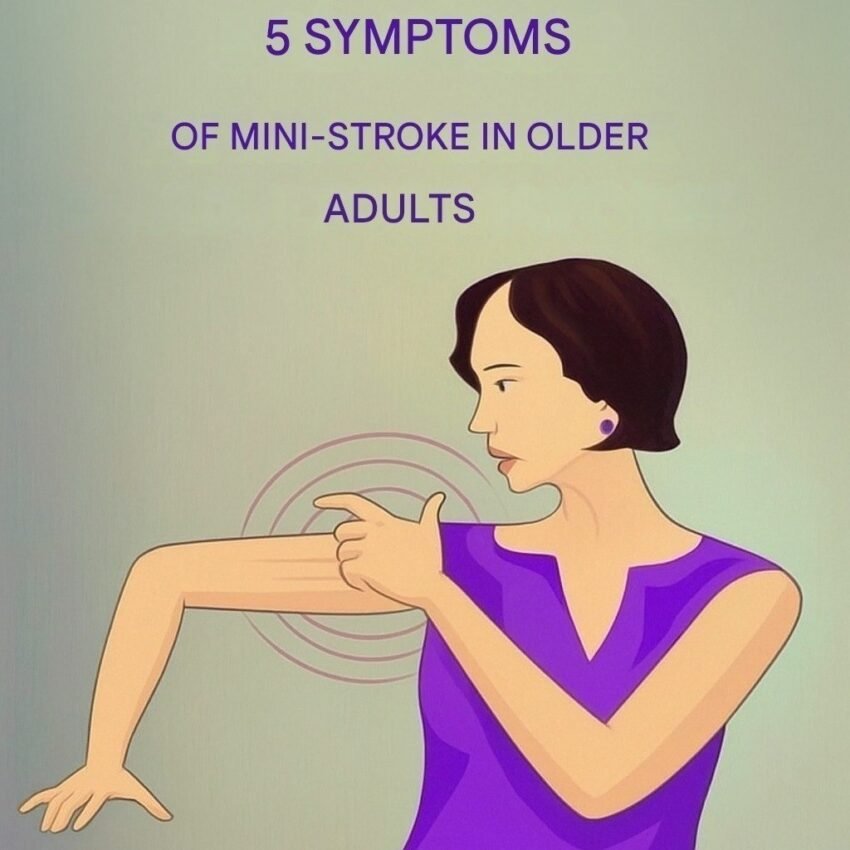
🧠 Signs of a Transient Ischemic Attack (TIA)
Transient Ischemic Attack (often called a “mini-stroke”) happens when blood flow to part of the brain is temporarily blocked. Symptoms are similar to a stroke but resolve within minutes to hours—however, it’s still a medical emergency and a major warning sign.
⚠️ Common signs (use the FAST rule)
⏱️ F – Face drooping
- One side of the face may sag
- Uneven smile
💪 A – Arm weakness
- Sudden weakness or numbness in one arm (or leg)
- Difficulty lifting or holding it up
🗣️ S – Speech difficulty
- Slurred speech
- Trouble speaking or understanding words
🚨 T – Time to act
- Even if symptoms go away quickly, seek urgent medical care
🧠 Additional symptoms
- Sudden vision problems (blurred or loss of vision in one or both eyes)
- Dizziness or loss of balance
- Severe, sudden headache
- Confusion or trouble understanding
- Numbness on one side of the body
⏳ Key characteristic
- Symptoms usually last a few minutes to under 24 hours
- Often resolve completely—but risk of a full stroke is high soon after
🚑 Why it’s serious
A TIA is often a warning that a major stroke could happen soon—sometimes within days.
⚠️ What to do immediately
- Treat it like a stroke: get emergency medical help right away
- Do not wait for symptoms to pass
- Early treatment can prevent permanent damage
🧩 Common risk factors
- High blood pressure
- Diabetes
- Smoking
- High cholesterol
- Heart disease
🩺 Bottom line
Even though symptoms are temporary, a TIA is not harmless—it’s a critical early warning signal that needs urgent evaluation.
If you want, I can explain:
- how to tell the difference between TIA and stroke
- or how to reduce your risk after a TIA 👍
