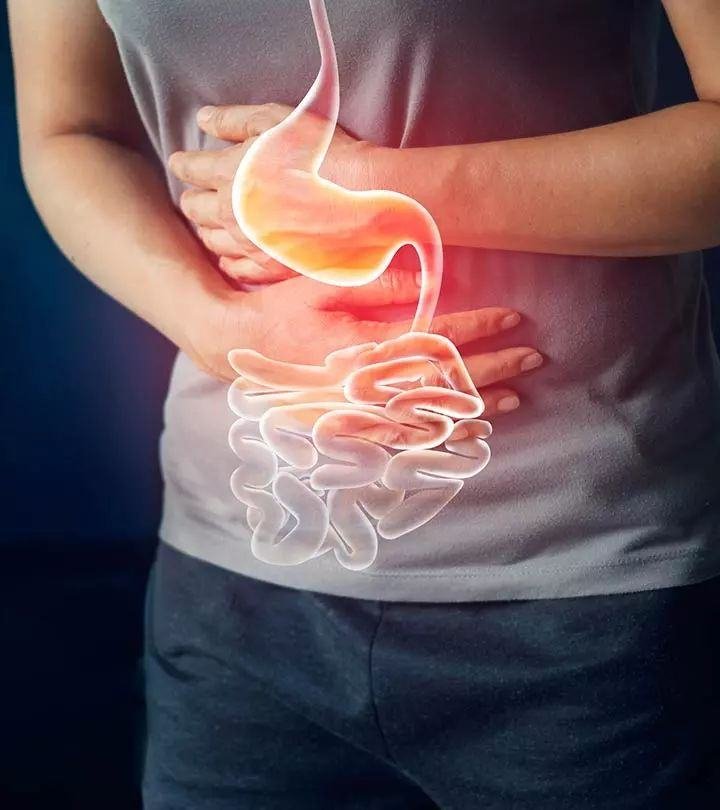
🧠 The Human Digestive System (Focus: Stomach & Intestines)
The human digestive system is a long, coordinated pathway that breaks food down into nutrients your body can use for energy, growth, and repair.
🍽️ Key parts in simple flow
Mouth → Esophagus → Stomach → Small Intestine → Large Intestine → Waste removal
🫙 The Stomach
Stomach
What it does:
- Stores food temporarily
- Mixes food with strong acids and enzymes
- Breaks proteins into smaller components
Key features:
- Very acidic environment (helps kill bacteria)
- Muscular walls churn food into a semi-liquid form called chyme
- Acts like a “processing tank” before nutrients move on
🧬 The Intestines
Intestines
Small intestine:
- Main site of nutrient absorption
- Absorbs vitamins, minerals, proteins, fats, and carbs
- Has tiny finger-like structures (villi) to increase absorption area
Large intestine:
- Absorbs water and salts
- Forms and stores stool
- Supports gut bacteria (microbiome health)
🧾 Visual overview
🧠 Why it matters
- The stomach starts digestion mechanically + chemically
- The intestines complete digestion and absorb nutrients
- Together, they power your entire body’s energy system
