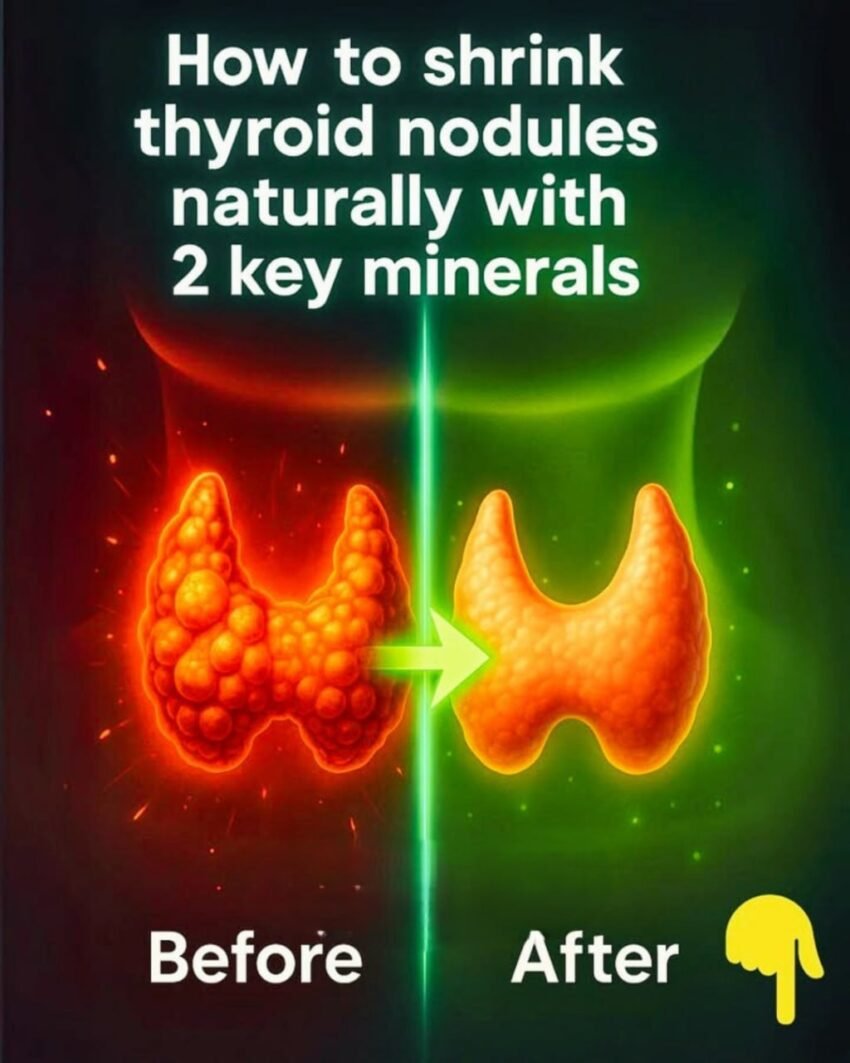
Thyroid nodules are small lumps or growths that form within the thyroid gland, which sits at the front of your neck.
🧠 Thyroid nodules
Thyroid nodule
- They can be solid or fluid-filled (cysts)
- Very common, especially with age
- Most are benign (non-cancerous)
📍 Where they occur
The thyroid is a butterfly-shaped gland in the neck that controls metabolism through hormones. Nodules can form in one or both lobes.
🔎 Types of thyroid nodules
- Benign nodules (most common)
- Cysts (fluid-filled)
- Hyperfunctioning (“hot”) nodules → produce extra thyroid hormone
- Non-functioning (“cold”) nodules → don’t produce hormone (rarely cancerous, but need evaluation)
⚠️ Possible symptoms
Most nodules cause no symptoms, but larger ones may cause:
- Visible lump in the neck
- Difficulty swallowing
- Feeling of pressure in throat
- Hoarseness (if pressing on vocal nerves)
If hormone-producing:
- Weight loss
- Fast heartbeat
- Anxiety or tremors
🧬 Causes and risk factors
- Iodine imbalance
- Aging
- Genetics
- Thyroid inflammation
- Previous radiation exposure
🩺 How they are diagnosed
Doctors may use:
- Neck exam
- Ultrasound scan
- Blood tests (thyroid hormone levels)
- Fine needle biopsy (if needed)
💊 Treatment options
Depends on type and risk:
- Observation (most common)
- Thyroid hormone therapy (in some cases)
- Surgery (if large, suspicious, or causing symptoms)
- Radioactive iodine (for overactive nodules)
🧠 Key takeaway
Most thyroid nodules are harmless and don’t require treatment, but they should be checked to rule out cancer or hormone problems.
