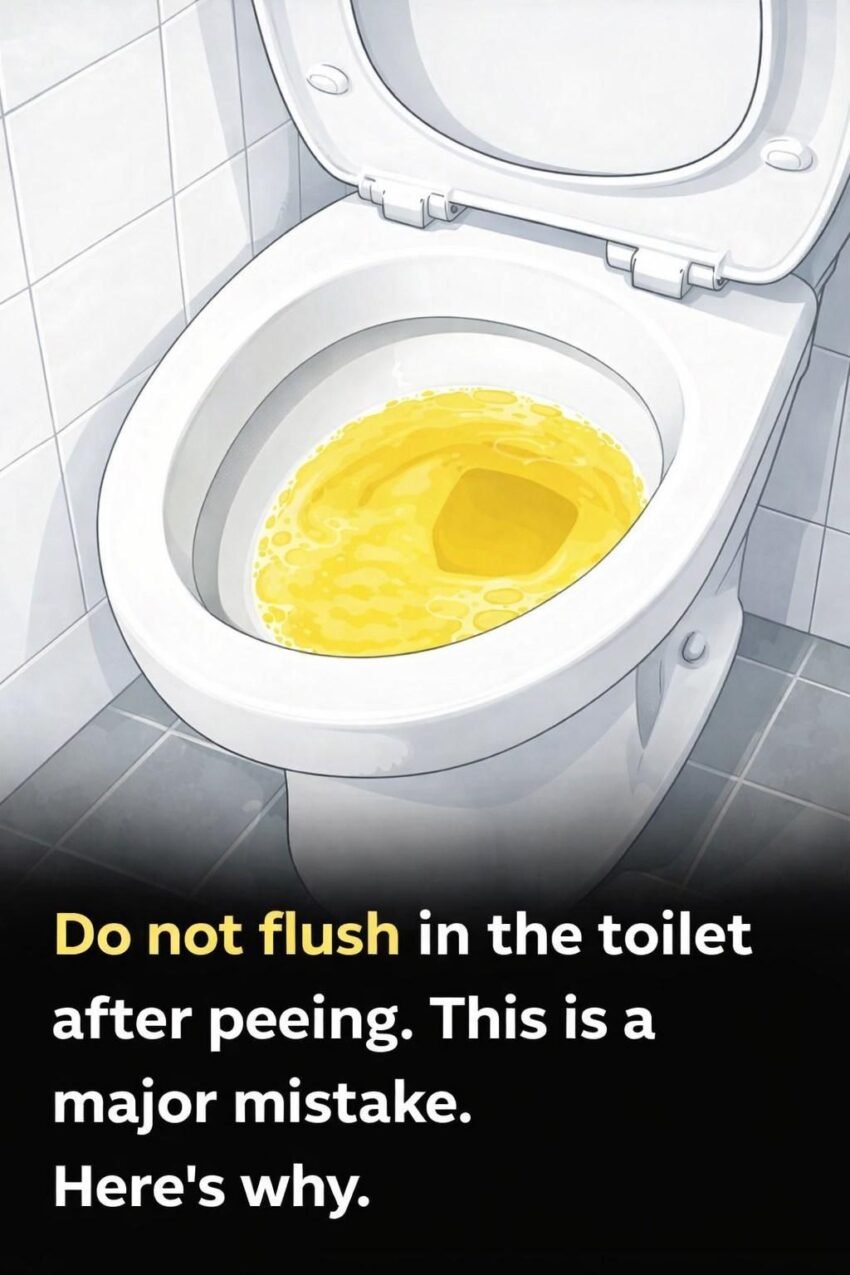
There isn’t a medical rule that says you should avoid flushing immediately after urinating—but the advice you might be seeing usually comes from practical, environmental, and household hygiene considerations, not health dangers.
Here’s the real breakdown:
🚽 1. Water conservation
Flushing after every small amount of urine can waste a lot of water over time.
- A single flush uses about 6–12 liters in many toilets
- In drought-prone areas or water-scarce homes, people may delay flushing (or use “if it’s yellow, let it mellow” guidance)
🏠 2. Household hygiene vs practicality
Some people delay flushing briefly when:
- They plan to flush toilet paper at the same time
- The bathroom is rarely used (to reduce repeated flushing)
But in normal shared bathrooms, immediate flushing is still standard hygiene practice.
🦠 3. Hygiene and smell concerns
This is the important counterpoint:
- Urine is usually sterile when fresh, but it can quickly break down and produce odor
- In warm climates, leaving it unflushed for long can cause smell and bacterial growth
- In shared toilets, it’s considered less hygienic
So in most public or family settings, you should flush right away.
⚖️ 4. When delaying flushing might make sense
- Private bathroom use
- Water-saving habits at home
- Very short delays (not leaving it for hours)
🚫 What NOT to worry about
- It does not harm your health to flush immediately
- It does not affect urinary system function
- There is no medical benefit to delaying flushing
🧠 Bottom line
- Health-wise: flush immediately (no risk either way)
- Environment-wise: some people delay briefly to save water
- Hygiene-wise: immediate flushing is best in shared or warm environments
