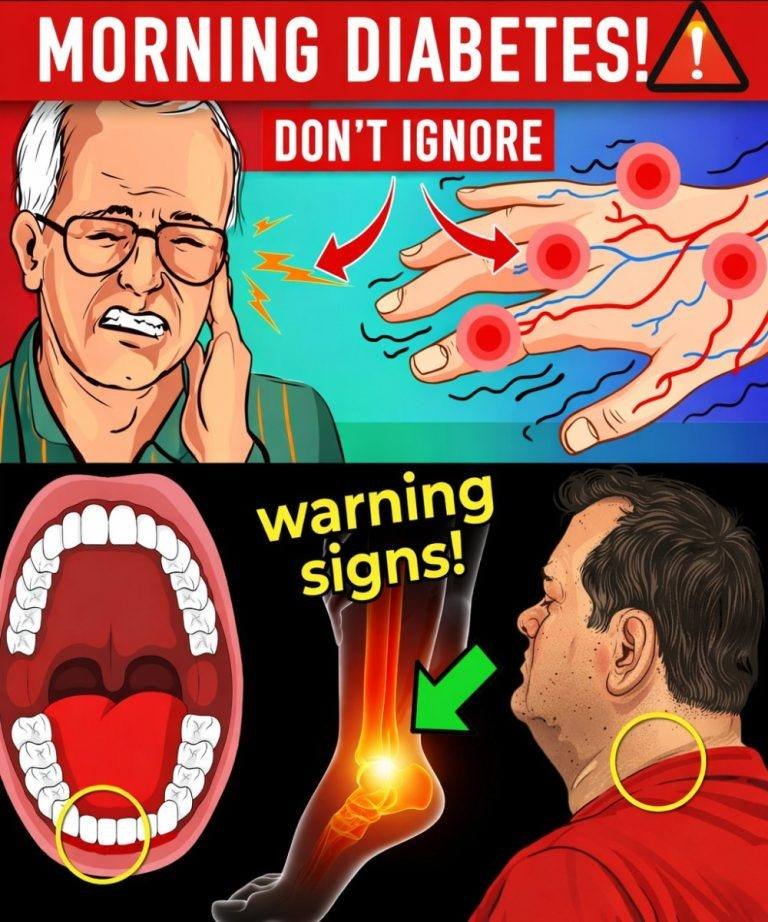
Diabetes is a long-term condition where the body has trouble controlling blood sugar (glucose). Over time, high sugar levels can damage nerves, blood vessels, kidneys, eyes, and other organs.
Main types
1. Type 1 diabetes
- The body produces little or no insulin
- Usually starts in childhood or young adulthood
- Requires insulin treatment for life
2. Type 2 diabetes
- The body still makes insulin but doesn’t use it properly (insulin resistance)
- More common
- Strongly linked to diet, weight, and lifestyle factors
Common symptoms
- Frequent urination
- Excessive thirst
- Increased hunger
- Fatigue
- Blurred vision
- Slow-healing wounds (especially feet)
- Tingling or numbness in feet/hands (nerve involvement)
Why feet are often affected
High blood sugar over time can cause:
1. Nerve damage (diabetic neuropathy)
- Tingling, burning, numbness in feet
- Reduced sensation (injuries go unnoticed)
2. Poor circulation
- Cold feet
- Slow healing cuts
- Higher risk of infections
This is why foot care is very important in diabetes.
Causes and risk factors (Type 2 especially)
- High sugar / high-calorie diet
- Lack of physical activity
- Overweight or obesity
- Family history
- Age (risk increases over time)
Complications if uncontrolled
- Nerve damage (especially feet)
- Kidney disease
- Eye damage (vision loss risk)
- Heart disease
- Poor wound healing and infections
Management (important point)
Diabetes can’t usually be “cured,” but it can be well controlled:
- Healthy diet (less sugar/refined carbs)
- Regular exercise (improves insulin sensitivity)
- Weight management
- Medication (tablets or insulin if needed)
- Regular blood sugar monitoring
Bottom line
Diabetes is not caused by one single thing like sugar alone, but long-term high blood sugar and insulin resistance. It affects the whole body—but the feet are often among the first places to show nerve and circulation problems.
