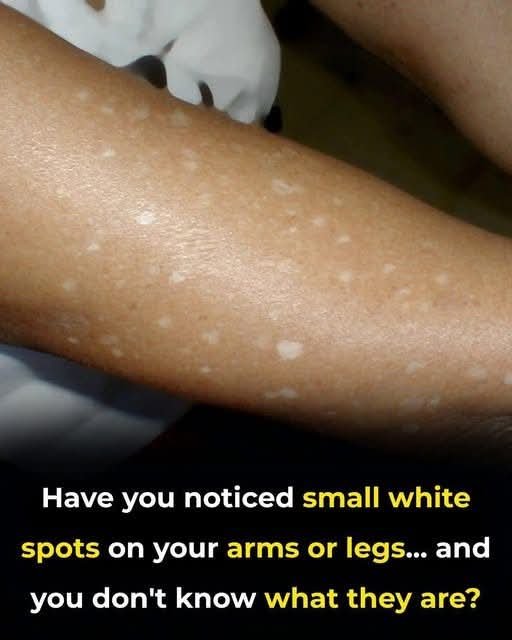
Idiopathic guttate hypomelanosis (IGH) is a harmless skin condition that causes small, white, flat spots on the skin—most commonly on areas exposed to the sun.
🧬 What it is
- “Idiopathic” = unknown exact cause
- “Guttate” = drop-shaped spots
- “Hypomelanosis” = reduced skin pigment (melanin)
So it basically means: small white spots from loss of pigment for unclear reasons.
👀 What it looks like
- Tiny white or pale spots (2–5 mm)
- Usually round or oval
- Most common on:
- Arms
- Legs (especially shins)
- Forearms
- Skin texture stays normal (not scaly or painful)
☀️ Main cause (strong link)
- Long-term sun exposure (UV radiation) is the biggest factor
- More common with:
- Aging (usually after 40–50)
- Fair or sun-exposed skin
- Outdoor lifestyles
⚠️ Is it dangerous?
No. IGH is:
- Not cancerous
- Not infectious
- Not painful or itchy
It is mainly a cosmetic condition.
🧴 Treatment options (if needed)
There’s no permanent “cure,” but appearance can be improved:
- Sun protection (very important) ☀️
Sunscreen helps prevent new spots - Topical creams
- Retinoids (vitamin A creams)
- Mild steroid creams (in some cases, doctor-guided)
- Procedures (dermatologist)
- Cryotherapy (freezing spots)
- Laser treatments
- Microneedling (sometimes)
Results vary—some people prefer no treatment since it’s harmless.
🧠 Key takeaway
IGH is mainly a sun-related skin aging change, not a disease that spreads or becomes serious.
