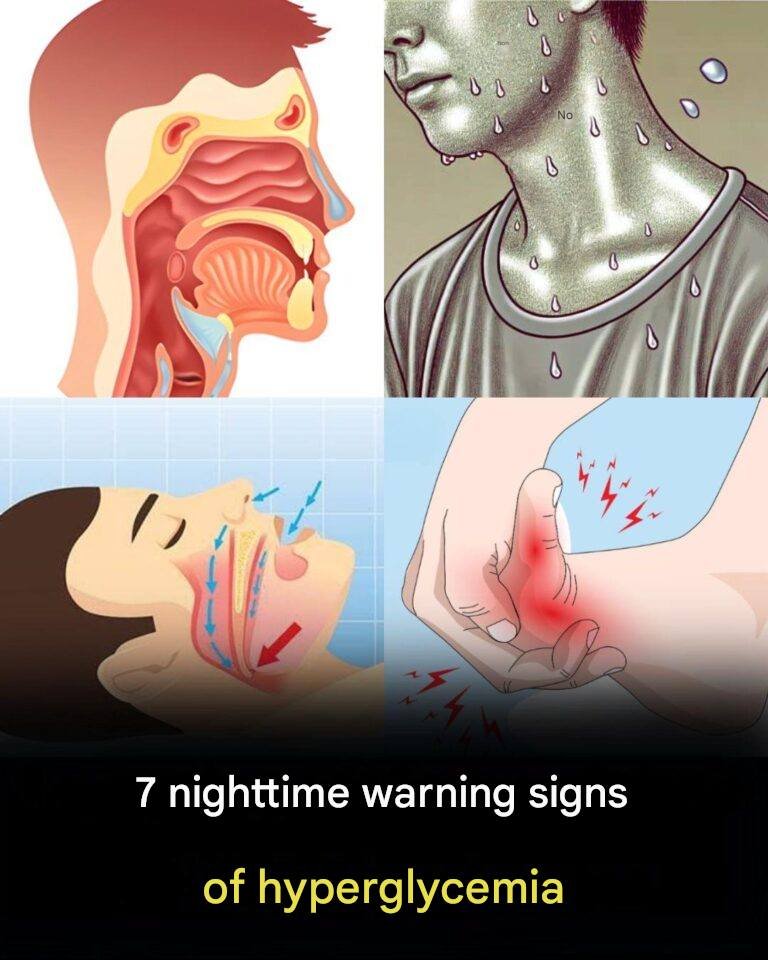
High blood sugar (hyperglycemia) happens when there is too much glucose in the blood. It’s most commonly associated with diabetes, especially if not well controlled.
Here are the main symptoms:
Early symptoms
These often develop gradually:
- Increased thirst (polydipsia)
- Frequent urination (especially at night)
- Dry mouth
- Fatigue or low energy
- Blurred vision
- Headaches
More noticeable or worsening symptoms
If blood sugar stays high:
- Increased hunger despite eating
- Unexplained weight loss (more common in type 1 diabetes)
- Slow-healing cuts or infections
- Recurrent skin or urinary infections
- Difficulty concentrating (“brain fog”)
Severe high blood sugar (danger signs)
This can become a medical emergency:
- Nausea and vomiting
- Abdominal pain
- Fruity-smelling breath (sign of ketones)
- Rapid breathing
- Drowsiness or confusion
In extreme cases, it can lead to:
- Diabetic ketoacidosis (DKA) in type 1 diabetes
- Hyperosmolar hyperglycemic state (HHS) in type 2 diabetes
Both require urgent hospital care.
Important context
High blood sugar is most commonly linked to Diabetes mellitus, but it can also happen due to:
- Stress or infections
- Steroid medications
- Poor diet or missed diabetes medication
When to act
You should seek medical attention if:
- Symptoms persist or worsen
- Blood sugar readings are consistently high
- Any severe symptoms (vomiting, confusion, breathing changes) appear
If you want, I can also explain:
- normal vs dangerous blood sugar ranges
- or how to lower high blood sugar quickly and safely
- or early signs of diabetes before diagnosis
