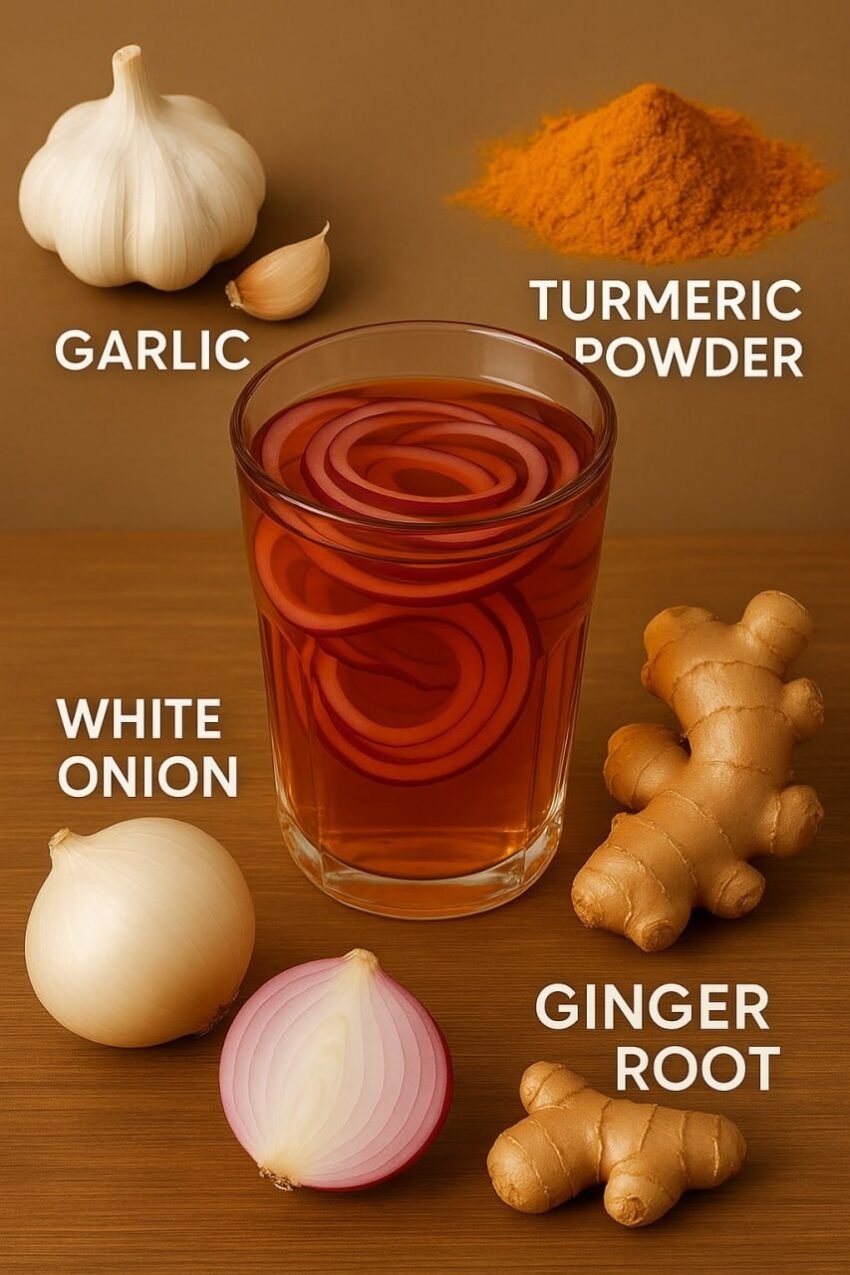
Turmeric powder is a bright yellow spice made from the dried and ground root of the turmeric plant (Curcuma longa). It’s widely used in cooking, traditional medicine, and increasingly studied for its biological effects.
What it contains (key active compound)
The main bioactive ingredient is curcumin, which is responsible for most of its color and many of its studied effects.
However, turmeric powder contains only about 2–5% curcumin, so its potency in raw form is relatively low unless concentrated.
Common uses
1. Cooking
- Essential spice in South Asian dishes (curries, rice, soups)
- Adds earthy, slightly bitter flavor and yellow color
2. Traditional medicine
Used in Ayurveda and traditional systems for:
- Digestive issues
- Skin conditions
- Inflammation-related ailments
Potential health effects (what science suggests)
Research on curcumin shows possible but not definitive benefits:
Anti-inflammatory effects
- May reduce inflammatory pathways (e.g., NF-κB)
- This is why it’s studied in chronic diseases
Antioxidant activity
- Helps neutralize free radicals
- May reduce oxidative stress in cells
Cardiovascular interest
Because inflammation plays a role in Atherosclerosis, turmeric/curcumin is being studied for:
- Reducing endothelial inflammation
- Lowering LDL oxidation (a step in plaque formation)
- Improving lipid profiles (modest effects in studies)
But: evidence in humans is still limited and inconsistent, especially for plaque regression.
Important limitations
- Poor absorption (low bioavailability)
- Rapid metabolism in the body
- Effects in food quantities are mild
That’s why supplements often combine curcumin with:
- Piperine (from black pepper) to enhance absorption
- Liposomal or nanoparticle formulations (a nanomedicine approach similar to what we discussed earlier)
Safety
Generally safe in food amounts, but:
- High-dose supplements may cause stomach upset
- Can interact with blood thinners
- Not ideal in gallbladder disease in high doses
Simple takeaway
Turmeric powder is a useful dietary spice with mild anti-inflammatory potential, but it is not a stand-alone treatment for diseases like atherosclerosis. Its strongest effects are seen in concentrated or engineered forms (like curcumin nanoparticles) rather than culinary doses.
