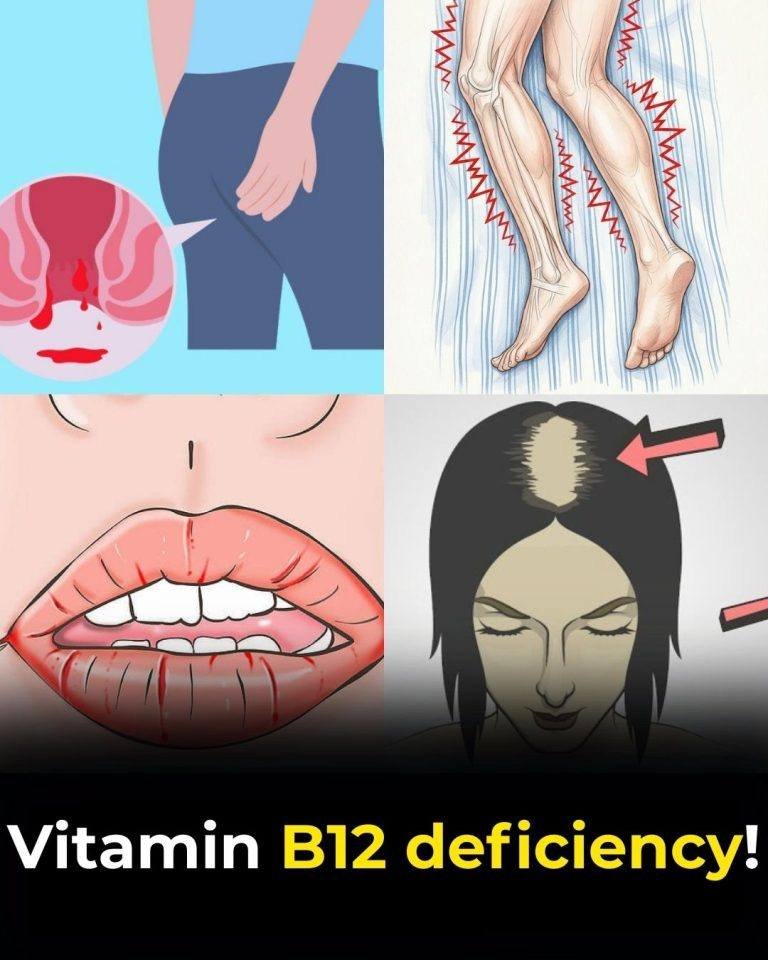
Vitamin B12 deficiency is a condition where your body doesn’t have enough vitamin B12 to keep your blood cells, nerves, and brain working properly.
What vitamin B12 does
Vitamin B12 helps with:
- Making red blood cells
- Keeping nerves healthy
- Supporting brain function
- DNA production
Common symptoms
It usually develops slowly, and symptoms can be easy to miss at first:
Physical
- Fatigue / weakness
- Pale or slightly yellow skin
- Shortness of breath
- Dizziness
Nerve-related
- Tingling or numbness in hands and feet
- Balance problems
- Muscle weakness
Mental / mood
- Memory issues or “brain fog”
- Irritability or depression
Common causes
- Not eating enough animal products (meat, eggs, dairy)
- Poor absorption in the stomach or intestines
- Conditions like gastritis or Pernicious anemia
- Long-term use of certain acid-reducing medications
- Age-related absorption decline
Food sources of B12
B12 naturally comes mainly from animal foods:
- Beef, liver, chicken
- Fish (tuna, salmon)
- Eggs
- Milk, yogurt, cheese
Your beef stir-fry, deviled eggs, and mac & cheese actually all contribute B12.
Treatment
Depends on severity:
Mild deficiency
- Diet improvement (more animal products)
Moderate to severe
- B12 tablets or supplements
- B12 injections (common when absorption is poor)
Important note
If symptoms are neurological (tingling, numbness, balance issues), it’s worth getting tested sooner rather than later, because prolonged deficiency can cause nerve damage that becomes harder to reverse.
If you want, tell me your symptoms or diet pattern, and I can help you estimate whether it actually looks like B12 deficiency or something else (iron deficiency often gets confused with it).
