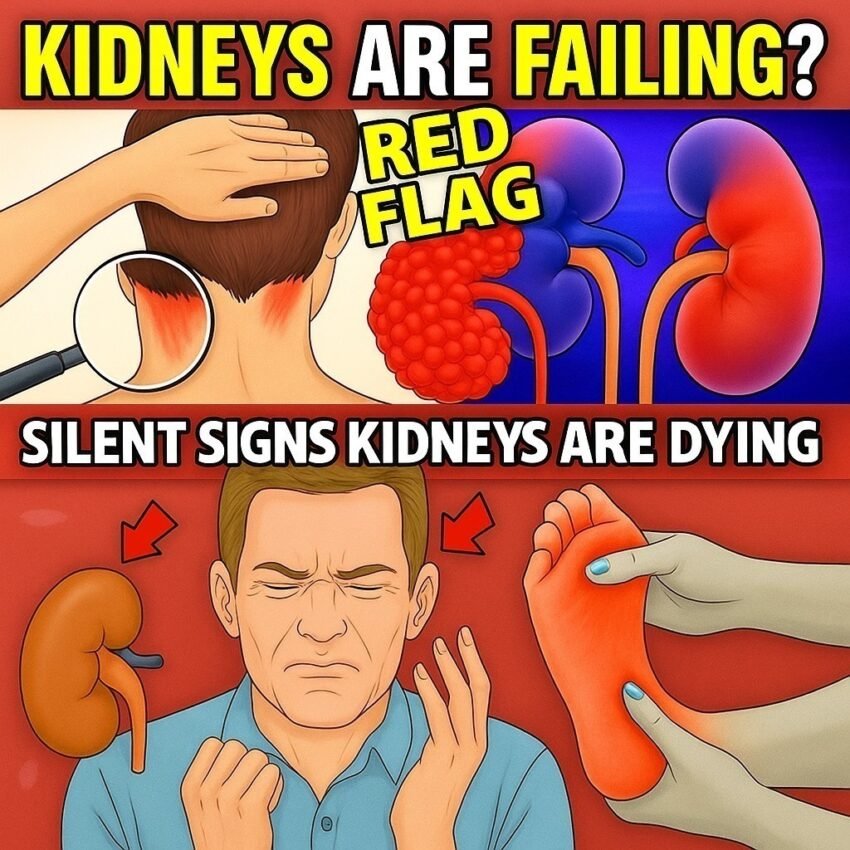
If the kidneys are not effectively filtering excess fluid, it usually means they are struggling to remove water and waste from the blood. This condition is broadly seen in kidney dysfunction or kidney failure, depending on severity.
Chronic Kidney Disease
💧 What normally happens
Healthy kidneys:
- Filter waste from blood
- Balance fluids and electrolytes (sodium, potassium, etc.)
- Produce urine to remove extra water
⚠️ When filtration is reduced
If kidneys don’t work well, fluid starts building up in the body, which can lead to:
🦵 Swelling (edema)
- Ankles, feet, hands, or face may swell
🫁 Breathing problems
- Fluid can collect in the lungs in severe cases
⚖️ Rapid weight gain
- From water retention, not fat
🚽 Changes in urine
- Less urine output
- Foamy or dark urine
💓 High blood pressure
- Extra fluid increases pressure in blood vessels
🧪 Common causes
- Long-term diabetes
- High blood pressure
- Kidney infections or damage
- Certain medications (long-term use of painkillers like NSAIDs)
- Dehydration or acute illness (temporary cases)
🩺 What doctors usually check
- Blood tests (creatinine, urea, eGFR)
- Urine tests (protein, blood)
- Ultrasound of kidneys
- Blood pressure monitoring
💊 Treatment depends on cause
- Controlling blood pressure and diabetes
- Diuretics (water pills) to reduce fluid buildup
- Low-salt diet
- In severe cases, dialysis may be needed
🧠 Simple takeaway
When kidneys can’t filter fluid properly, the body retains water and waste, which can affect swelling, breathing, and blood pressure. It’s important to identify the cause early because treatment can slow or sometimes improve the condition.
